The Power of Words: Bridging the Gap Between Traditional Education and Self-Teaching
The Power of Words: Bridging the Gap Between Traditional Education and Self-Teaching

In my college years, I pursued two degrees—first, an Associate’s in business with a focus on graphic design, and later, a Bachelor’s strictly in graphic design. During my business studies, I often found myself in what felt like endless memorization sessions—learning terms, definitions, and more terms. At the time, I was disheartened. I wanted to learn how to run a business, not just memorize vocabulary. It wasn’t until later in my career that I realized the true value of what I had learned: the ability to communicate effectively with those who do know how to run businesses. The power of words, terms, and definitions cannot be understated. They are the keys that unlock the doors to understanding and success in any field.
But here’s the thing—learning those words doesn’t have to come from a formal classroom. In fact, many of the skills I’ve honed in my career were self-taught. The journey of being self-taught is its own unique and valuable skill, one that often requires digging deep, sifting through vast amounts of information, and piecing together knowledge from various sources. It's a journey that teaches resilience, adaptability, and problem-solving.
Traditional Education: The Structured Path
There’s no denying the value of a traditional education. Structured learning provides a roadmap, guiding students through the foundational concepts and terminology that are essential in any field. This structure helps build a solid base of knowledge, often making it easier to learn new concepts and apply them in real-world situations. Formal education also provides access to mentors, peers, and resources that can be invaluable throughout one’s career.
However, traditional education is just one path to mastery. Even the most educated individuals might find themselves needing to learn new skills or concepts that weren’t covered in their formal training. This is where the ability to be self-taught becomes essential.
Self-Teaching: The Path of Exploration
Being self-taught is a skill in itself. It requires curiosity, persistence, and a willingness to step outside of one’s comfort zone. Self-taught individuals often must navigate a more complex and less structured path, seeking out information from books, online resources, and hands-on experience. This process can lead to a deeper understanding of a subject, as it requires actively engaging with the material and applying it in real-world scenarios.
The beauty of self-teaching is that it allows for flexibility and customization. You can dive into subjects that interest you, at your own pace, and in a way that suits your learning style. This approach can lead to innovative thinking and unique perspectives, as self-taught learners are often not confined by traditional methodologies.
Bridging the Gap: A Well-Rounded Approach
The most successful individuals often find themselves blending both paths. Traditional education provides a strong foundation, while self-teaching allows for continuous growth and adaptation. The ability to bridge the gap between these two learning methods can lead to a more well-rounded and versatile skill set.
Understanding the power of words, terms, and definitions is crucial whether you’re in a classroom or learning on your own. These are the tools that enable us to communicate, collaborate, and innovate. And whether you’ve learned them through a textbook or through your own exploration, they are equally valuable.
In the end, it’s not about choosing one path over the other. It’s about recognizing the strengths of each and using them to complement one another. Whether you’re a student, a professional, or a lifelong learner, embracing both traditional education and self-teaching can help you navigate the complexities of your field and achieve your goals.
Applying This Philosophy to Your Business
Just like learning, building a successful brand requires both foundational knowledge and hands-on experimentation. Whether you're a seasoned marketing professional or just starting out, having the right printed materials can make all the difference in how your message is received.
Conclusion
No matter where your knowledge comes from—be it a college degree or the hard-earned lessons of self-teaching—what truly matters is your ability to use that knowledge effectively. The power of words, terms, and definitions can make the difference between a long-fought battle and a quick turnaround. By valuing both traditional education and the self-taught journey, we can all become more well-rounded, adaptable, and successful in our pursuits.
Ready to put your knowledge into action? Explore our products,request a custom quote, orcontact our teamto bring your vision to life.
Featured Products

Printed Product
Buy Now
Business Cards
Buy Now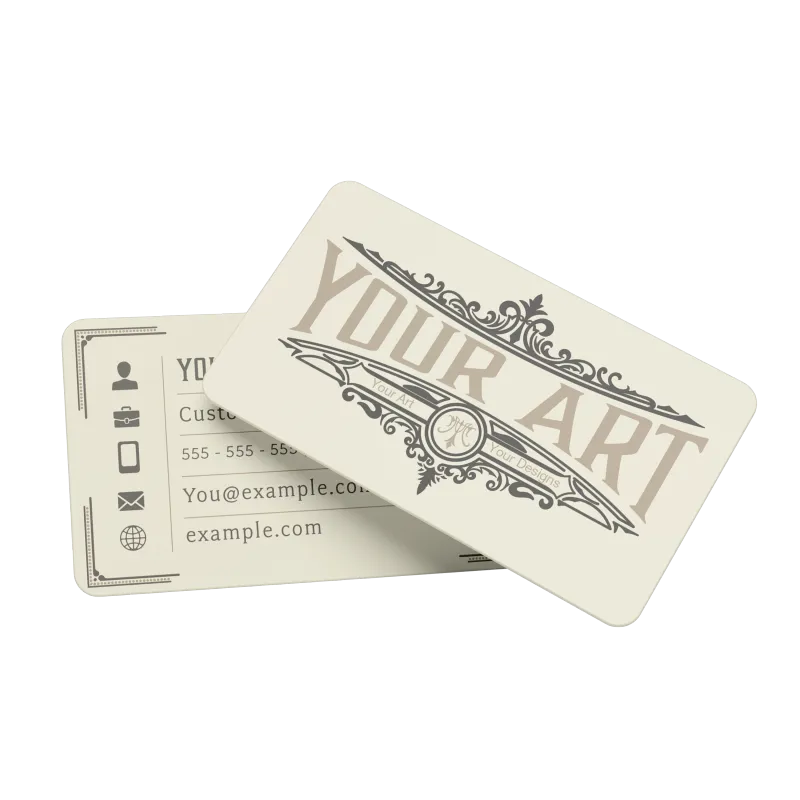
Best Value Business Cards
Buy Now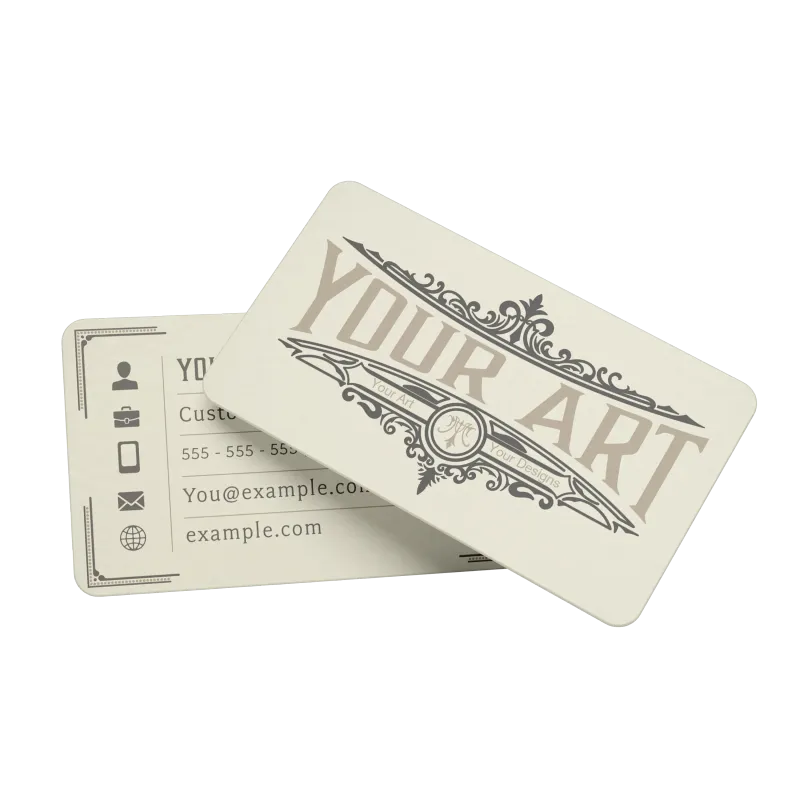
Silk Business Cards
Buy Now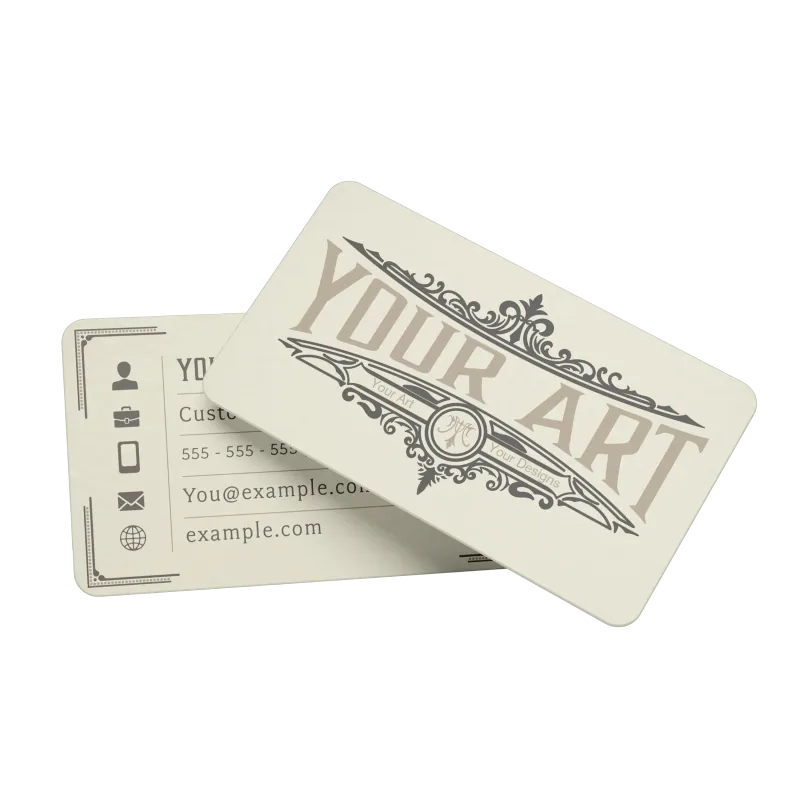
Gloss Business Cards
Buy Now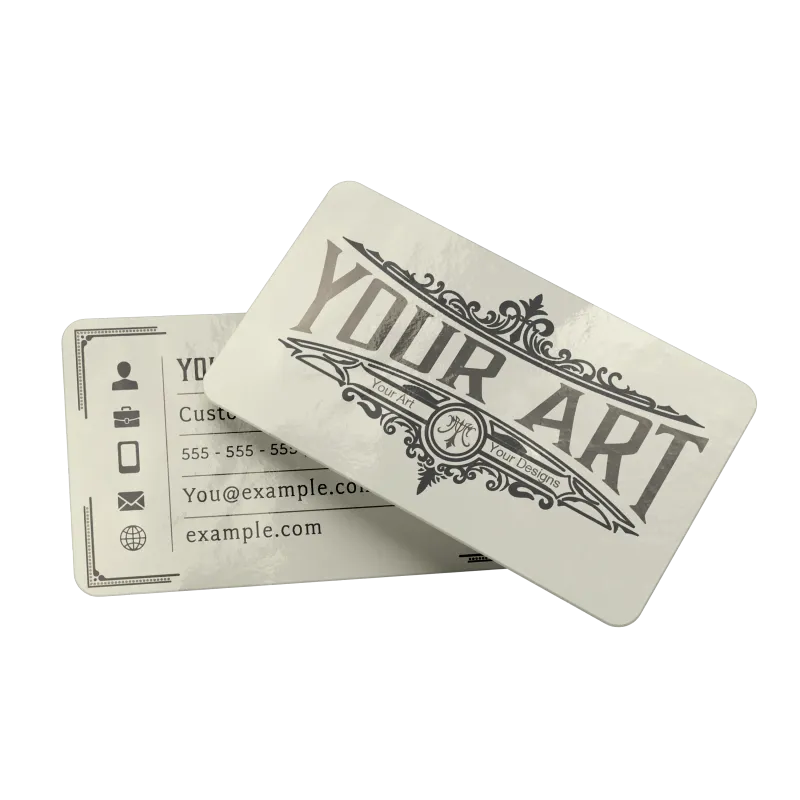
Lamination Business Cards
Buy Now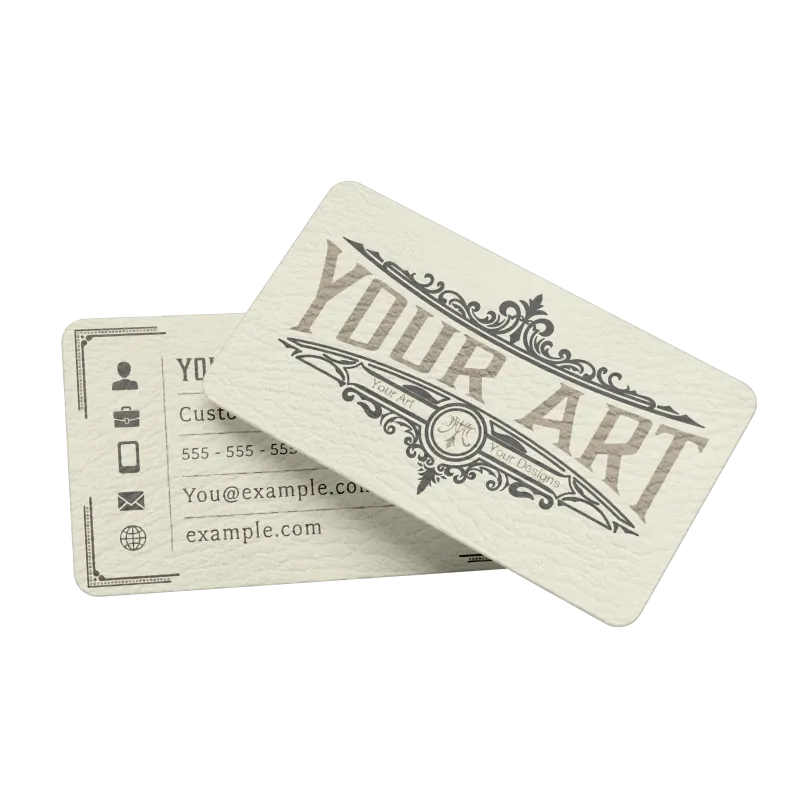
Specialty Business Cards
Buy Now
Postcards
Buy Now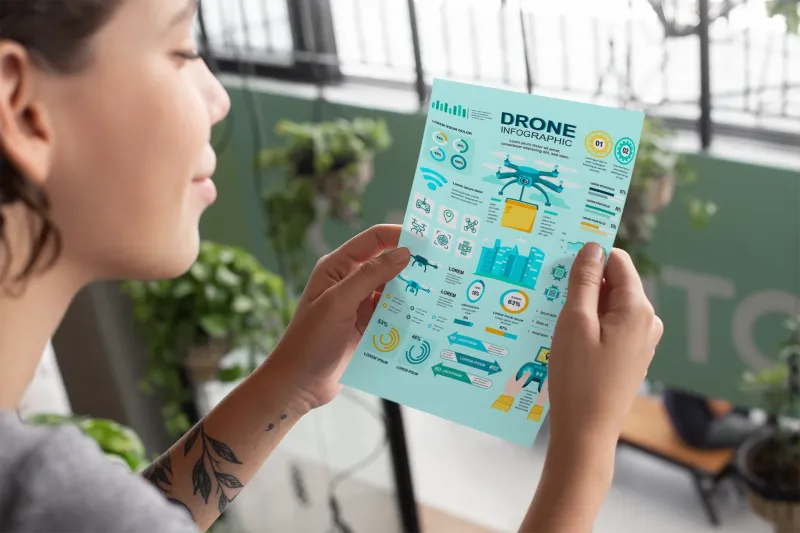


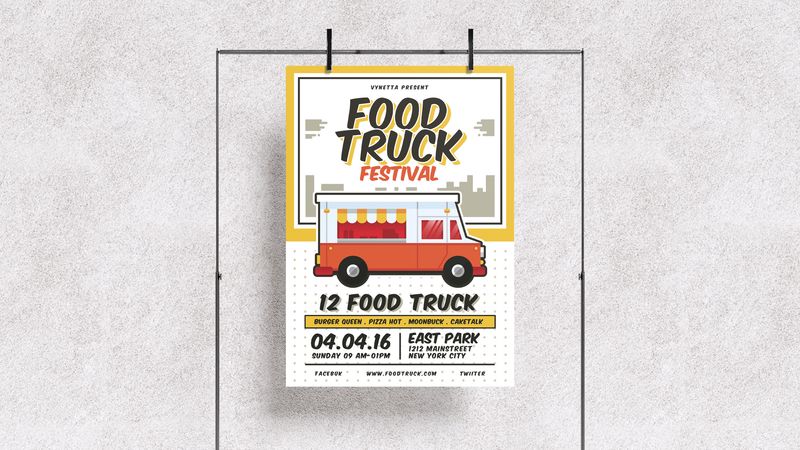
Posters
Buy Now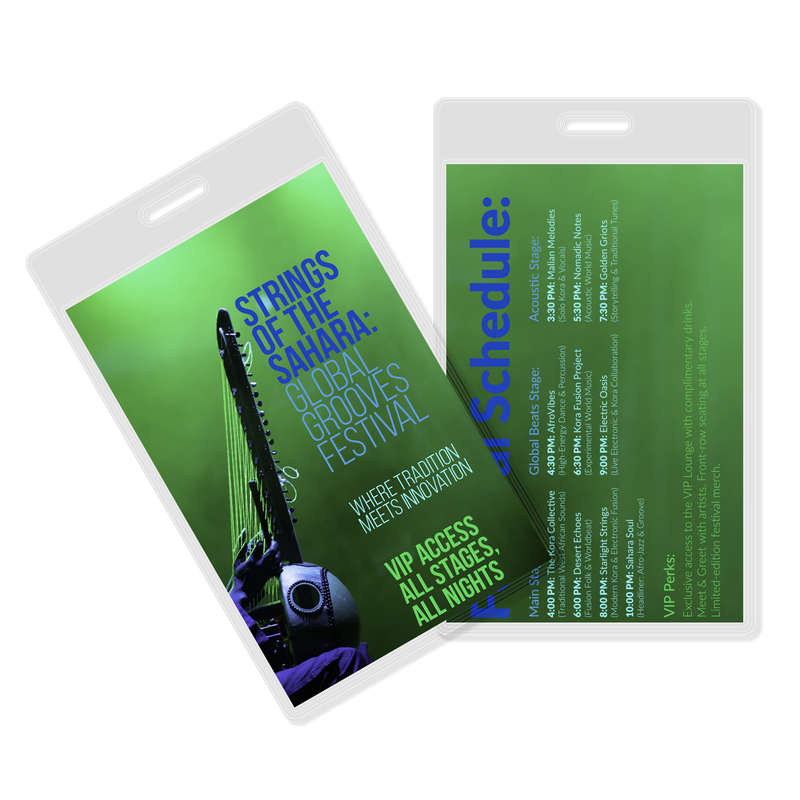
Event Badges / VIP badges / Admission Badges
Buy Now
Wristbands
Buy Now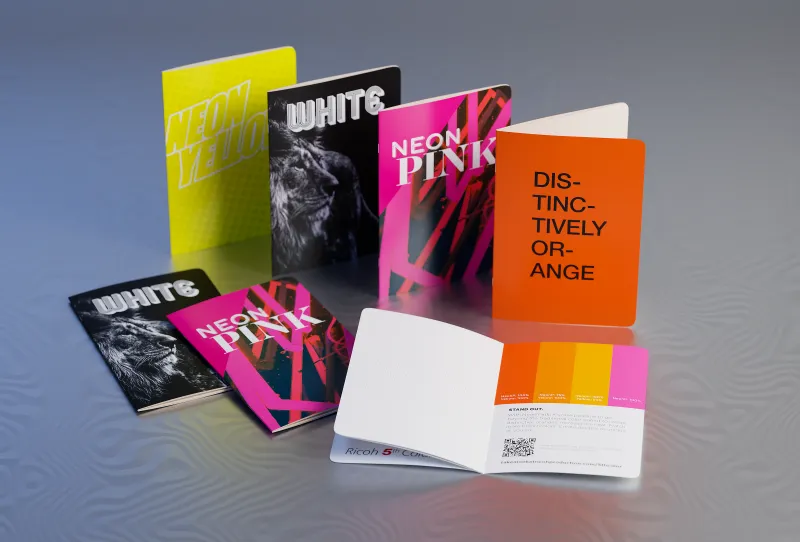
Metallic or Neon Printed Products
Buy Now






Read More...