Growing up, you may have heard the terms "sticker" and "decal" used as if they were the exact same thing. Slap a design on adhesive paper, peel off the backing, stick it somewhere—same deal, right?
Well, yes and no. At a fundamental level, stickers and decals are basically the same thing. And at the exact same time, they couldn't be more different. If you've ever found yourself wondering which one you actually need for a project, you're not alone.
As a trade printer and finishing company, we work with print shop owners every day who order both. We've seen firsthand how the wrong choice can lead to wasted materials, unhappy customers, and unnecessary costs. Let's break down what actually separates these two terms—and why it matters for your next order.
The Short Answer: Stickers vs. Decals
A decal is a type of sticker—but not all stickers are decals.
Think of it like squares and rectangles: every square is a rectangle, but not every rectangle is a square. Every decal is technically a sticker, but the term "sticker" covers a much broader range of products.
If you're looking for custom printed adhesive products, explore our full sticker and label catalog here.
Size Matters: Where Stickers End and Decals Begin
This is where the distinction becomes most obvious.
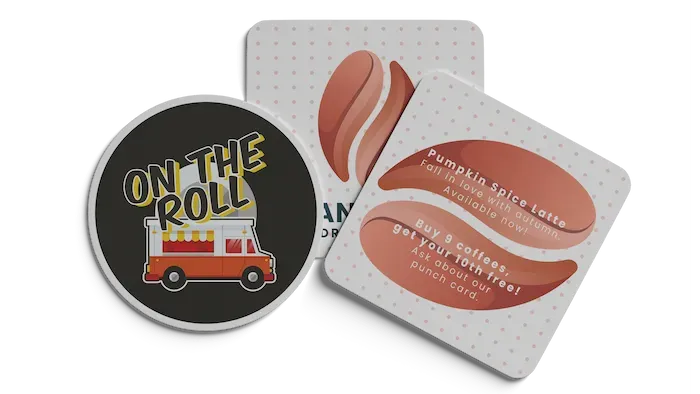
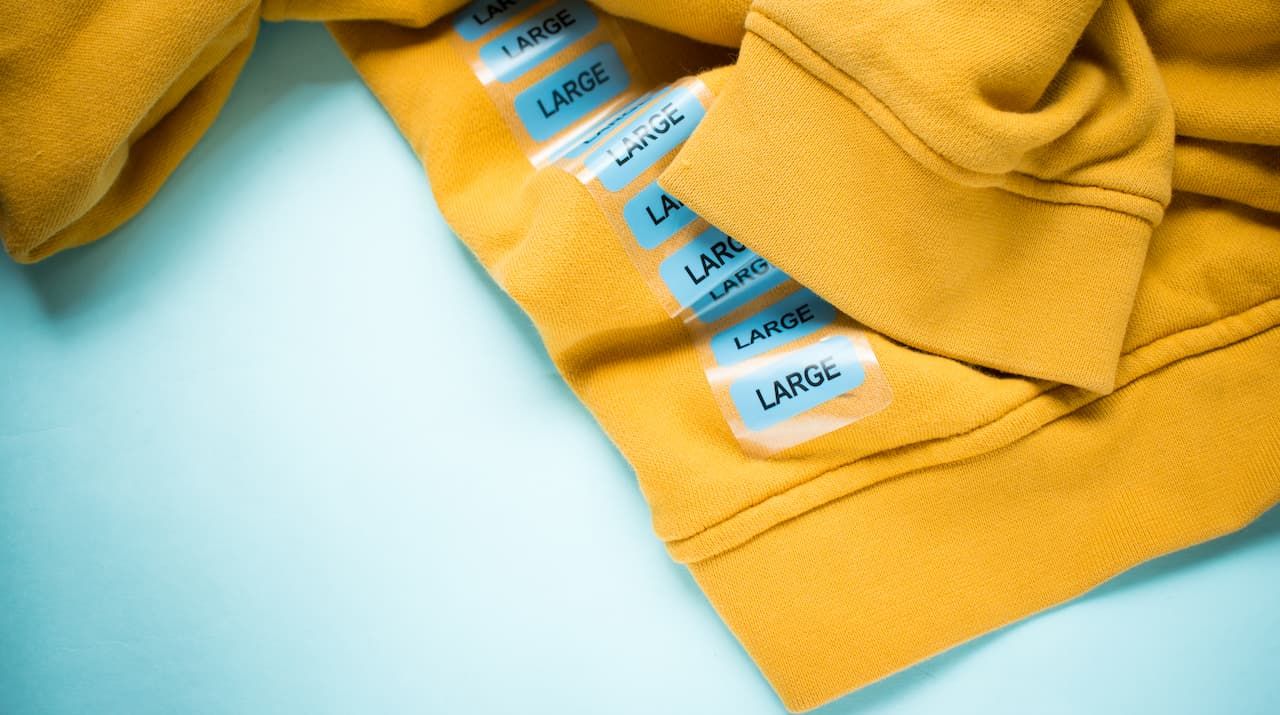
- Stickers are typically smaller—think the kind you'd slap on a laptop, water bottle, or notebook. Common sizes range from 1"×1" up to about 8"×8", with 3"×3" being the most popular all-purpose size. They're designed for personal items, promotional handouts, and quick applications.
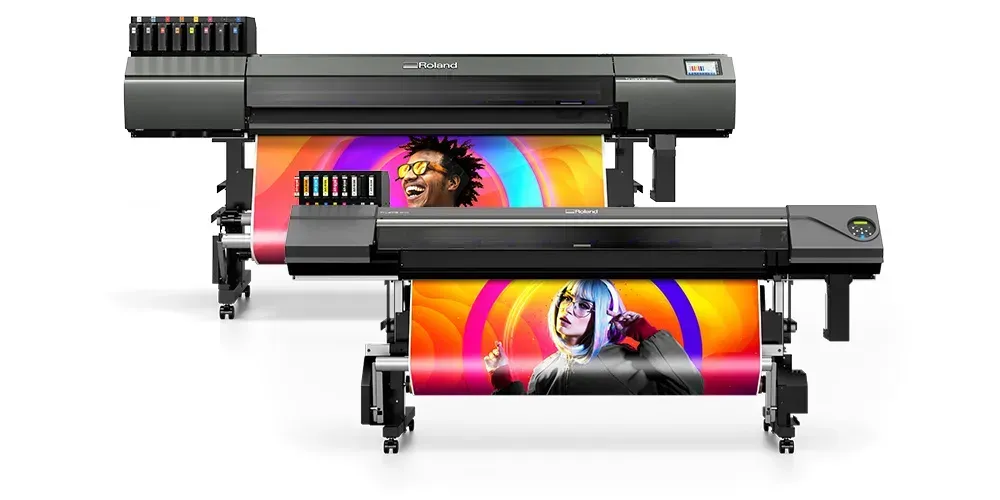
- Decals go big. Window graphics, wall murals, vehicle branding, floor graphics—these are decal territory. We're talking sizes that can cover an entire storefront window or wrap a van. Decals start at 200mm×200mm and go all the way up to full wall panels.
Because of that size difference, order quantities also shift. Stickers are often ordered in bulk—hundreds or thousands for trade shows, packaging, or giveaways. Decals are usually ordered in smaller quantities, sometimes just one or two for a specific installation.
Need large format printing for your decal project? Visit our large format printing page to learn more.
Application Method: Peel-and-Stick vs. Transfer
This is where things get interesting.
A sticker is simple: peel the backing, press it down, done. No tools, no special technique. You just stick it and move on.
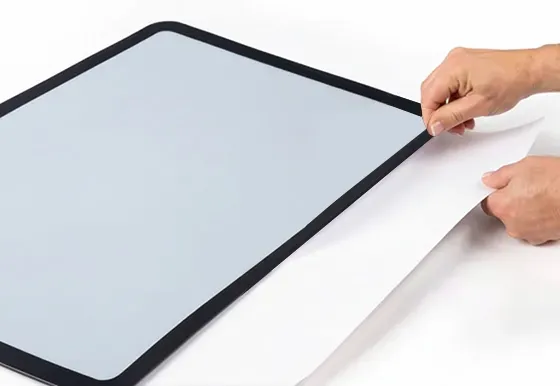
Decals often involve a more involved process. Larger graphics need transfer tape and a squeegee to avoid bubbles and ensure proper adhesion. Some decals also come with a "premask"—a top layer that holds the design in place during installation, which you peel away after the graphic is applied.
There's also a historical angle worth noting: the word decal is short for decalcomania , a French term referring to designs transferred onto a surface—traditionally using water to slide the design off the backing paper. While many modern decals are simply peel-and-stick, that transfer process is where the term originally came from.
Durability and Lifespan
Both stickers and decals can be made from durable vinyl, but decals are typically built for tougher conditions.
A high-quality outdoor vinyl decal can last 3 to 7 years outdoors, resisting UV exposure, rain, and temperature changes. Stickers can also be made from durable vinyl, but paper stickers will fade quickly outdoors, and even vinyl stickers aren't always rated for the same heavy-duty applications.
That's why decals are the go-to choice for vehicles, storefronts, and industrial applications—they're designed to take a beating.
For outdoor durability, consider adding lamination services to your order.
The Visual Difference: Background vs. No Background
Here's a detail that matters for aesthetics:
- Stickers keep their entire backing as part of the final look. You'll always see a border or edge around the design.
- Decals, in many cases, are designed so that only the design sticks to the surface —no visible background or border remains. This creates a seamless, professional appearance that looks like the graphic was painted directly onto the surface.
That's why businesses choose decals for storefronts and vehicles—that clean, no-edge look makes a big difference when your branding is on display from a distance.
We offer die-cutting services for custom shapes and precise cuts on both stickers and decals.
So, When Do You Choose Which?
Choose Stickers When You Need:
- Small format graphics for personal items, laptops, or water bottles
- High-volume orders for giveaways or packaging
- Quick, simple application without tools or special technique
- Designs that people will see up close, with fine details and intricate artwork
Shop our custom stickers and labels collection.
Choose Decals When You Need:
- Large format graphics for windows, walls, floors, or vehicles
- Semi-permanent installations that need to last years outdoors
- That seamless, professional "no-background" look
- Graphics that need to be readable from a distance—bold colors, clean fonts, high contrast
Need large format decals? Explore our large format printing capabilities.
Real-world example: A coffee shop wants branded stickers to give away with every purchase. They're small, fun, and customers will stick them on laptops and water bottles. Stickers are the right call —they're cost-effective in bulk and easy to apply.
A car dealership needs a large window graphic for their showroom. It needs to look premium, last for years, and cover a large surface. Decals are perfect here —they provide that seamless, professional finish and are built to last.
Quick Reference: Stickers vs. Decals
| Feature | Stickers | Decals |
|---|---|---|
| Typical Size | 1"×1" to 8"×8" | 200mm×200mm and larger |
| Order Quantity | Bulk (hundreds or thousands) | Small quantities (1–50 typical) |
| Application | Simple peel-and-stick | May require transfer tape and squeegee |
| Lifespan Outdoors | 1–3 years (vinyl) | 3–7 years (outdoor vinyl) |
| Visual Finish | Visible border/edge | Seamless, no visible background |
| Best Uses | Laptops, water bottles, giveaways, packaging | Windows, walls, vehicles, floors |
The Bottom Line
Stickers and decals are made from the same materials, printed with the same technology, and can look nearly identical once they're on a surface. But the distinction matters for practical reasons: size, application method, durability, and visual finish.
If you've been using the terms interchangeably your whole life, you're not alone. Most people do. But now you know the difference—and that's the first step to making smarter decisions for your branding, signage, or next creative project.
We don't just print—we offer a full range of custom printing and finishing services that most shops don't know about. See our full capabilities here.
Not sure whether you need stickers or decals for your project?
Call us: (216) 426-0661
— or request a quote online
and we'll talk through your options.
Frequently Asked Questions About Stickers and Decals
Quick answers to the most common questions we hear from print shop owners and customers.