Ordering a large format print can feel a bit like navigating a maze. You have a great design, a clear vision, and a specific place in mind for your new banner or sign. But then you're faced with a bunch of technical questions you weren't expecting.
As a trade printer, we know this process inside and out. We work with print shop owners every day who are ordering for their own customers. And we've seen the same questions come up time and again—especially around finishing options like pole pockets and grommets.
Let's walk through the key decisions you'll need to make so your large format order comes out exactly as you expect.
Material Matters: What Can You Print On?
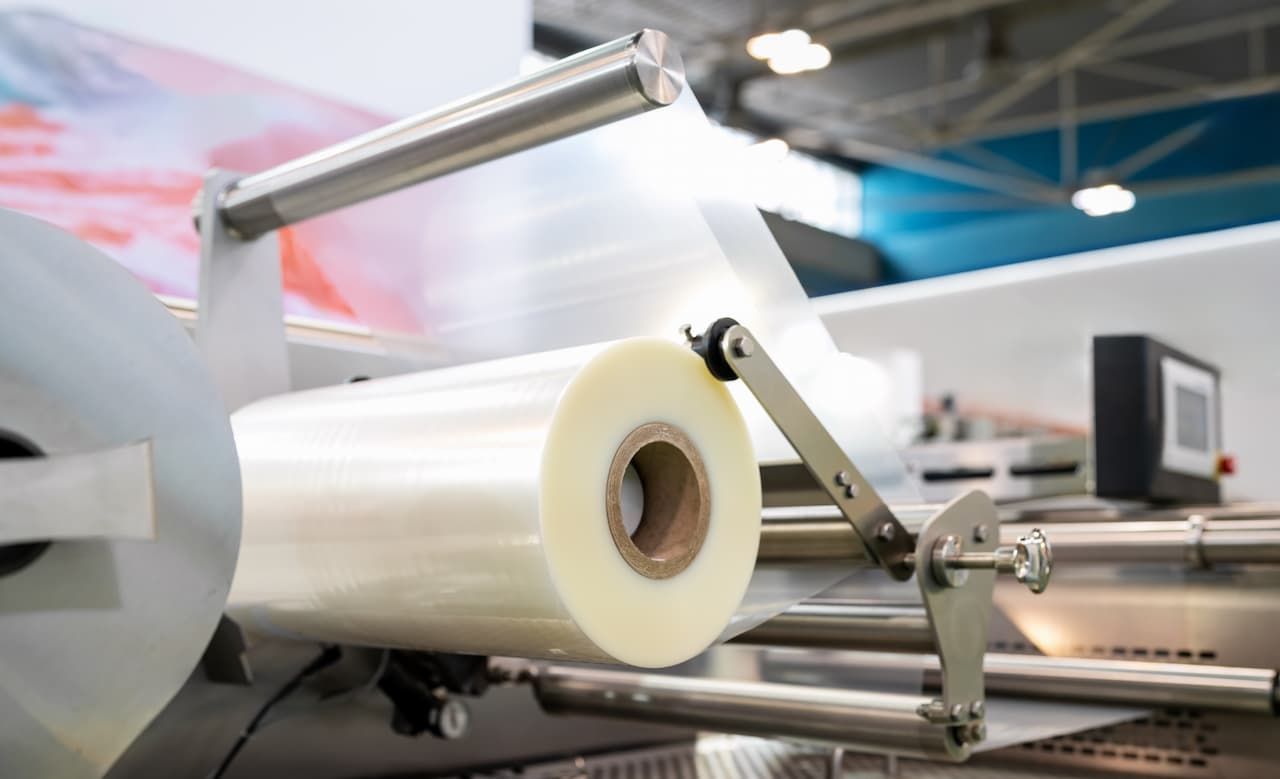
The first big decision is what material to use. Different substrates work better for different applications, and choosing the right one makes all the difference.
- Vinyl banners are the workhorse of large format printing. They're durable, weather-resistant, and perfect for outdoor use. If you're hanging something outside or planning to reuse it, vinyl is usually your best bet.
- Paper and poster materials work well for indoor displays, trade show graphics, and presentations. They're generally more cost-effective but won't hold up to moisture or heavy handling.
- Fabric and canvas give you a premium look for indoor branding, photo displays, and upscale events. They're lighter and easier to transport than vinyl.
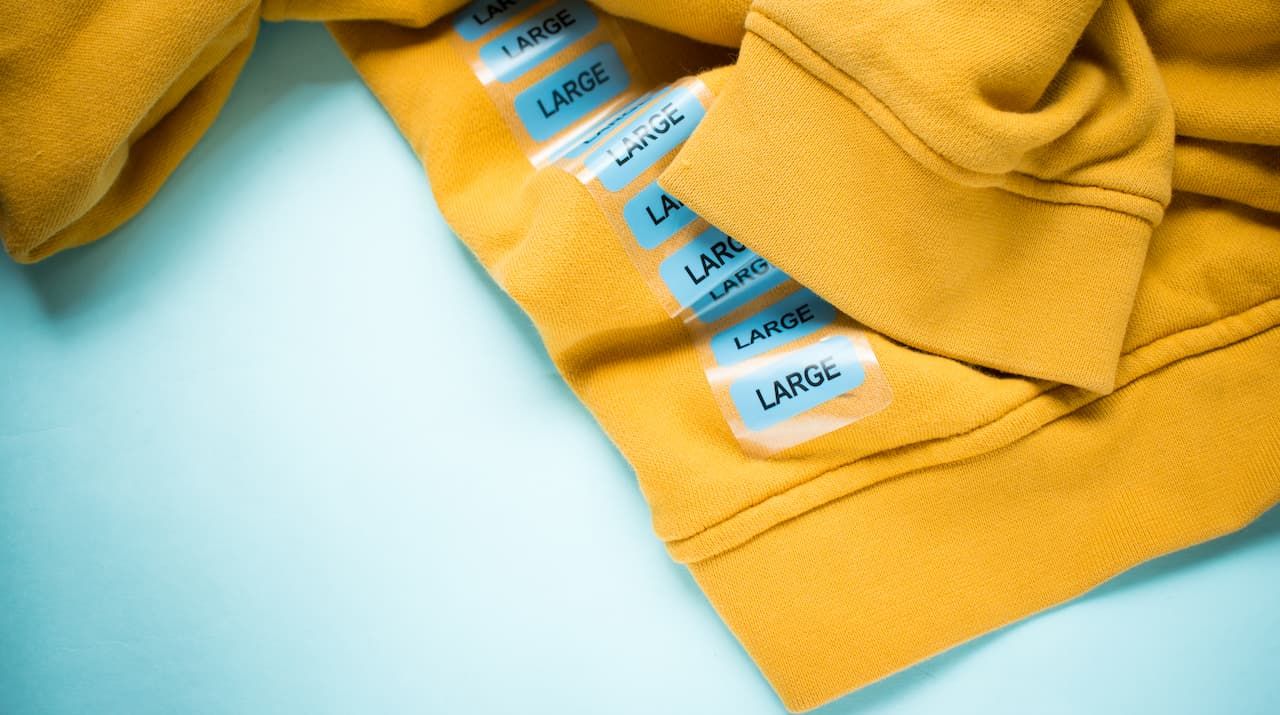
- Window film and decals are great for storefront signage and vehicle graphics. These materials are designed to adhere to glass and other smooth surfaces.
The key question to ask yourself: Where will this print live? Indoors or outdoors? Temporary or long-term? The answer will guide your material choice.
Not sure what material fits your project? Browse our portfolio to see real-world examples of what's possible.
The Big Question: Grommets or Pole Pockets?
This is one of the most common questions we get, and the answer depends entirely on how you plan to hang your banner.
Grommets
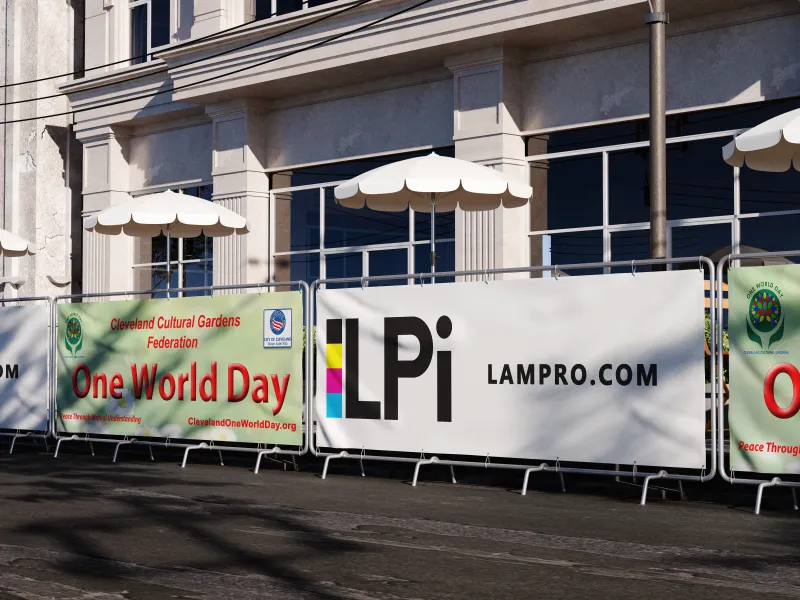
Grommets are those metal rings reinforced around holes in the corners and edges of your banner. They're meant for hanging with bungee cords, zip ties, or rope.
When to choose grommets:
- You're hanging the banner outdoors where wind is a factor
- You need maximum durability and security
- You're attaching to fences, scaffolding, or existing hardware
- You want to use bungee cords or ties for fast installation
Grommets are your heavy-duty option. They distribute stress evenly and won't tear out even in windy conditions. A standard banner with grommets typically has them in all four corners and maybe one or two along the bottom edge.
Pole Pockets
Pole pockets are sleeves sewn into the top and bottom edges of the banner. You slide a pole or pipe through them, and the banner hangs from that support.
When to choose pole pockets:
- The banner will be displayed indoors or in a controlled environment
- You're using a banner stand or frame system
- You want a clean, professional look without visible hardware
- You'll be hanging the banner between two poles or in a frame
Pole pockets give you a smoother appearance and often look more polished than grommets. However, they don't handle wind as well—a breeze can cause the banner to flap and potentially tear at the seam.
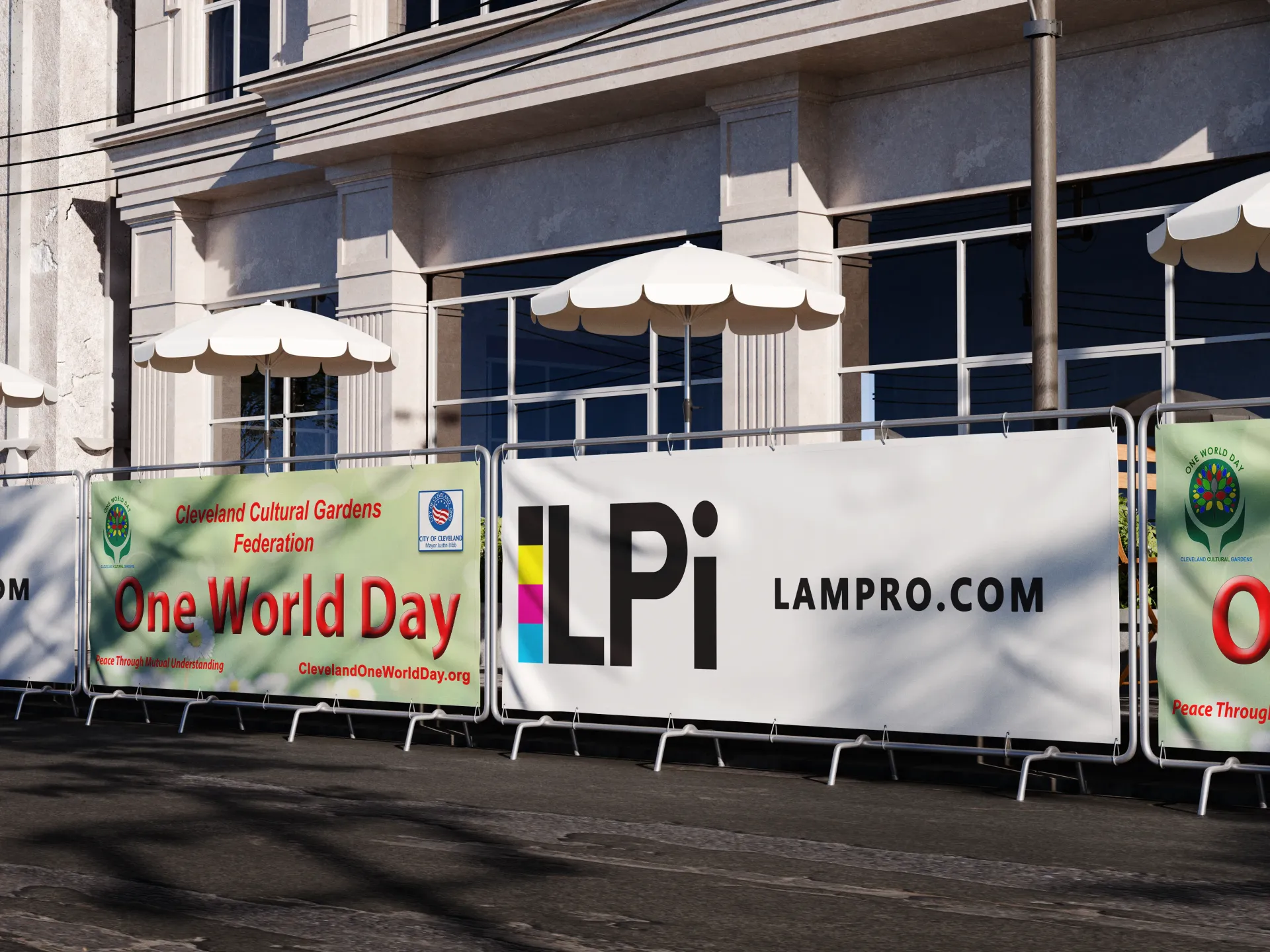
Real-world example: Vinny's customer needs a banner for a weekend outdoor event. It'll be attached to a fence in an open field. Wind is a concern. Grommets are the right call because they'll keep the banner secure even if the weather turns.
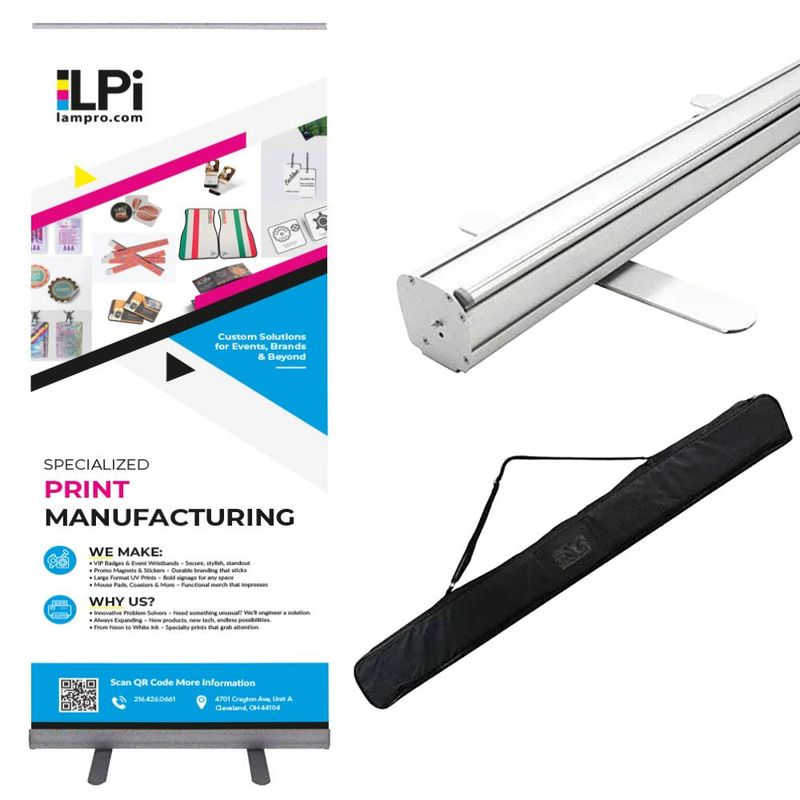
Maya's customer is ordering a banner for an indoor trade show booth. It's going on a retractable stand with a top rail. Pole pockets are perfect here—they slide right onto the stand and look clean and professional.
Sometimes customers ask for both. And yes, that's an option too. A banner can have grommets and a pole pocket, giving you flexibility in how you hang it.
More Finishing Options to Consider
Beyond grommets and pole pockets, there are several other finishing services we offer that can elevate your project:
Hemming
A reinforced hem around the edges of your banner protects against fraying and adds durability. It's especially important for banners with grommets since the hem provides extra strength around those holes.
Scalloped Cuts & Custom Shapes
Some projects call for custom shapes rather than a simple rectangle. If you need a banner that matches a specific shape or design, we can accommodate that with scalloped cuts or custom die-cutting.
Mounting
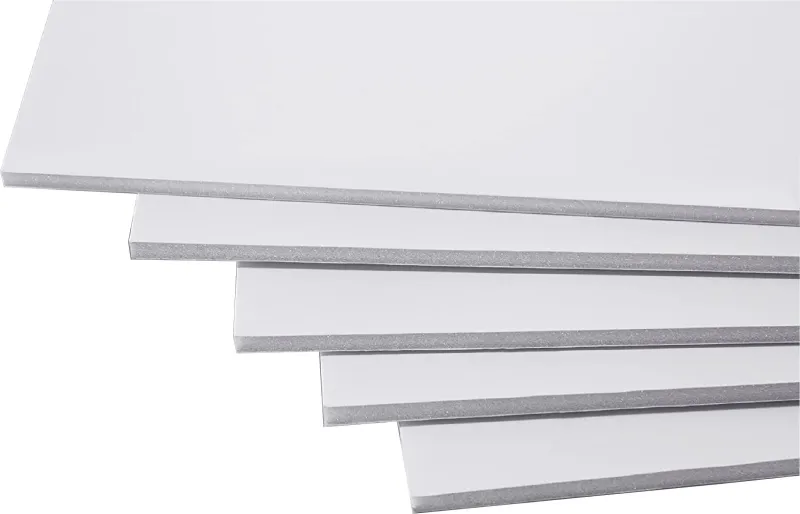
For indoor displays, you might want your print mounted to foam board, gatorboard, or other rigid backing. This gives your print a professional, finished look and makes it easy to display.
Lamination
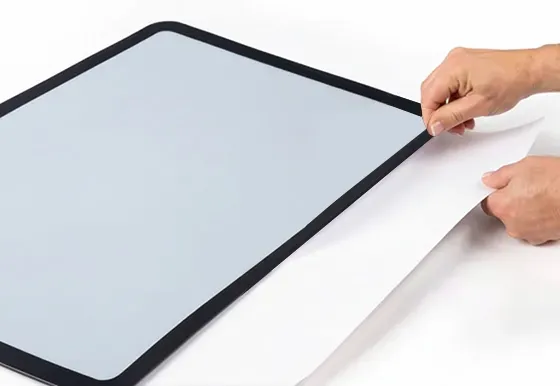
Adding a laminate layer protects your print from scratches, UV damage, and moisture. It's a smart investment for prints that will be handled frequently or displayed in high-traffic areas. Large format lamination is especially popular for trade show graphics and retail displays.
We offer a full suite of finishing capabilities beyond what's listed here. Explore all our finishing services →
File Preparation: What We Need From You
To get the best possible print, here's what we're looking for in your file:
- Resolution of at least 150 DPI for most large format work. If people will be viewing it up close, go for 300 DPI.
- Crop marks if you need precise trimming.
- CMYK color mode for more predictable color results.
- High-quality PDF or TIFF format is usually best.
The biggest mistake we see is sending a low-resolution image that looks fine on screen but prints pixelated. A 72 DPI web image won't cut it for a 4-foot banner.
Need detailed file specs? Download our spec sheets for complete guidelines.
Quick Reference: Choosing Your Options
| Your Situation | Recommended Material | Recommended Finish |
|---|---|---|
| Outdoor event, windy conditions | Heavy-duty vinyl | Grommets, hems |
| Trade show booth | Fabric or vinyl | Pole pockets |
| Indoor storefront window | Window film or vinyl | Grommets or pole pockets depending on display |
| Office wall display | Paper, canvas, or vinyl | Mounted or hanging with pole pocket |
| Vehicle wrap | Cast vinyl | Full wrap with professional installation |
The Bottom Line
The choice between grommets and pole pockets comes down to where and how you'll display your banner. Think about the environment, the mounting hardware available, and the look you're going for. And don't hesitate to ask questions—we're here to help you get it right.
Remember, we're not just a printer; we're your partner in making sure your project succeeds. Whether you're Vinny calling with questions or Maya uploading files for a rush job, we've got your back.
We don't just print—we offer a full range of custom printing and finishing services that most shops don't know about. See our full capabilities here.
Need help deciding what's right for your project?
Call us: (216) 426-0661
— or request a quote online
and we'll talk through your options.
Frequently Asked Questions
Quick answers to the most common large-format questions we hear from print shop owners.