Printing on Plastic: A Beginner’s Guide to Materials, Inks, and Techniques
Printing on Plastic: A Beginner's Guide to Materials, Inks, and Techniques
UV Flatbed Printing, Dry Toner Technology & Custom Plastic Printing for Mousepads and Countermats

Plastic is everywhere. From the promotional custom mousepad on your desk to the durable custom countermat at your point-of-sale terminal, plastic substrates offer durability and vibrancy that paper simply can't match.
However, printing on plastic isn't as simple as running a standard sheet of paper through a desktop printer. Because plastic is non-porous, it doesn't absorb ink like paper or fabric. If you use the wrong method, the ink will sit on top of the surface and eventually scratch off or peel away.
At LamPro Industries (LPi), we specialize in bridging the gap between digital design and physical durability. We utilize advanced UV Flatbed Printing and Dry Toner Printingtechnologies to ensure your graphics pop and stay put. Here is your beginner's guide to how it works.
The Challenge of Printing on Plastic
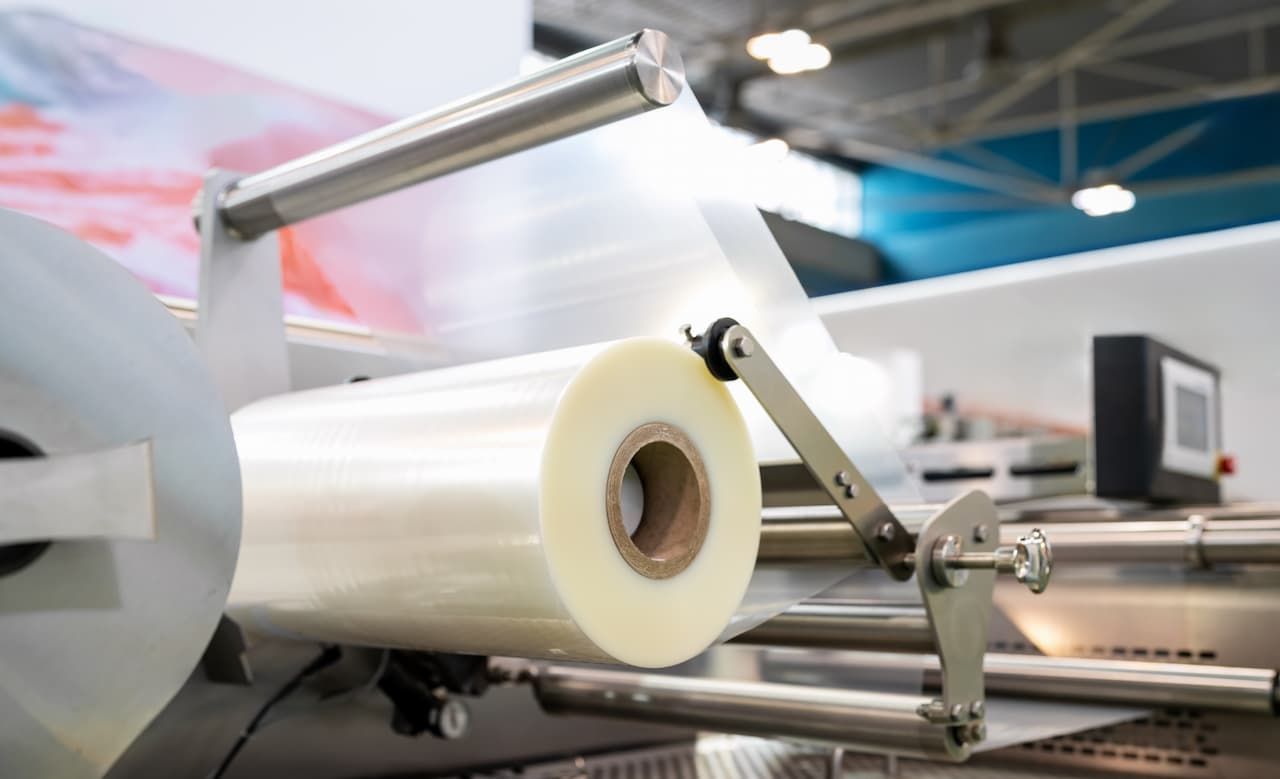
Before we dive into the solutions, it helps to understand the problem. Plastic surfaces (like Polypropylene, PVC, or Polyester) are slick. Traditional solvent inks can take a long time to dry on these surfaces and often require a special coating (primer) to bond correctly. This is why professional plastic printing services require specialized equipment.
To get high-quality, durable results, we rely on two distinct powerhouse techniques: UV Flatbed Printing and Dry Toner Printing.
1. UV Flatbed Printing: The "Instant Dry" Solution for Plastic
When you think of custom promotional products , you are likely thinking of UV Flatbed printing. This is the workhorse for rigid and semi-rigid plastic items like custom mousepads and signage.
How it works:
Unlike traditional printing where ink is absorbed into a material, UV printing is magical. The printhead jets liquid ink onto the surface of the plastic. Immediately following the ink application, built-in UV lights flash onto the material. This light instantly cures (dries) the ink, turning it from a liquid into a solid.
Why it's great for Plastic:
- Instant Adhesion:Because the ink cures on top of the material rather than soaking in, it creates a strong mechanical bond perfect for plastic substrate printing.
- Texture and Dimension:We can build up layers of ink to create a textured feel. This is particularly popular for things like custom mousepads , where the design feels smooth under the mouse but is actually raised slightly on the surface.
- Vibrancy:The ink sits on top, resulting in bright, bold colors that don't get dulled by absorption.
For more on how we achieve vibrant, durable prints, check out our large format printing services.
2. Dry Toner Printing: The Electrostatic Bond for Flexible Plastics
While UV is great for thick or oddly shaped items, Dry Toner printing is our go-to for full-color, photographic prints on flexible plastic sheets—perfect for custom countermats and durable signage.
How it works:
This process is similar to how a laser printer works, but scaled up for industrial production. Instead of liquid ink, we use a fine, negatively-charged powder (toner). We apply this toner to the plastic and then pass it through a fusing unit. The heat and pressure melt the toner particles, literally fusing them into the surface of the plastic.
Why it's great for Plastic:
- Durability:Because the toner is fused into the material (rather than just sitting on top), it is incredibly resistant to scratching—essential for high-traffic commercial counter mats .
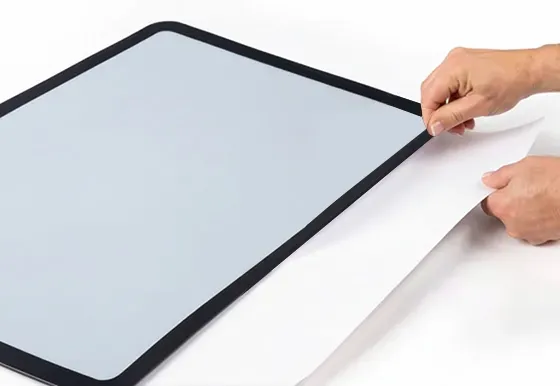
- Seamless Finish:This method is perfect for countermats . Since the toner becomes part of the plastic, you can write on the surface with a dry-erase marker and wipe it off without smearing the print underneath.
- Precision:It handles fine text and detailed logos exceptionally well.
Learn more about our finishing services that complement our printing techniques.
Common Applications: Custom Mousepads and Countermats
You see these two techniques at work every day, even if you don't realize it.
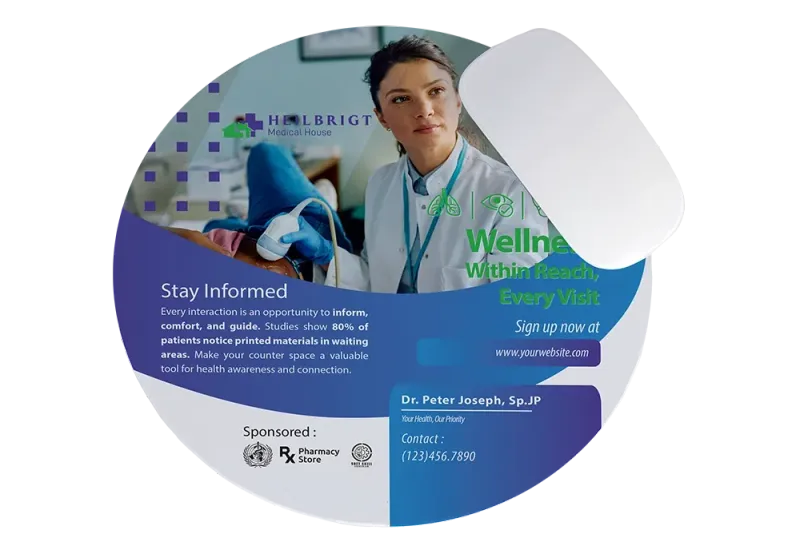
Custom Mousepads (Made with UV Flatbed Printing)
Custom mousepads require a specific feel. You need a surface that allows the mouse to glide smoothly, but the graphic needs to withstand hours of friction from your wrist and mouse.
- Our Process:We print directly onto the fabric or polycarbonate top layer using our UV Flatbed printer . The UV ink cures instantly, sealing the graphic against sweat and wear. Because the ink is raised ever so slightly, we can even add a subtle texture to the design, giving your logo a premium feel.
Custom Countermats (Made with Dry Toner Printing)
Custom countermats (those long mats you see at cash wraps) take a beating. They are constantly rolled and unrolled, wiped down with cleaners, and scratched by coins and credit cards.
- Our Process:We use Dry Toner printingto print your menus or advertisements onto durable plastic sheets. Because the toner fuses into the plastic, the image won't scratch off when the cashier slides change across it. The result is a commercial counter mat that lasts for years, not months.
Choosing the Right Plastic Printing Technique for Your Project
Not sure which method you need? Here is a cheat sheet for printing on plastic :
- Choose UV Flatbed if:You are printing on a rigid plastic item (like a plastic sign, a thick mousepad , or a promotional gift) and want vibrant colors with the option for textured effects.
- Choose Dry Toner if:You need flexible, durable sheets (like countermats , wall posters, or plastic signs that will be rolled for shipping) that need to resist scratching and writing.
Explore Our Plastic Printing Services:
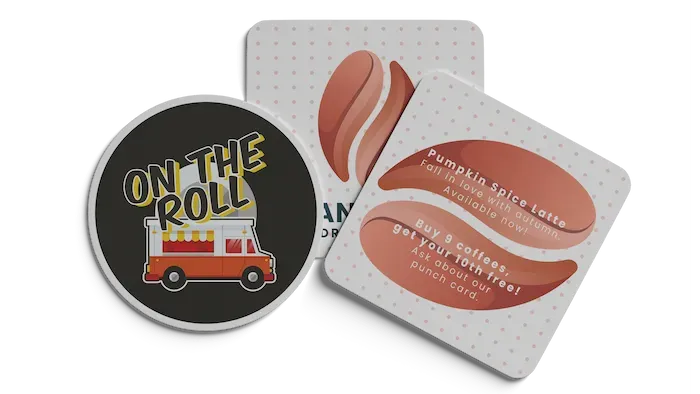
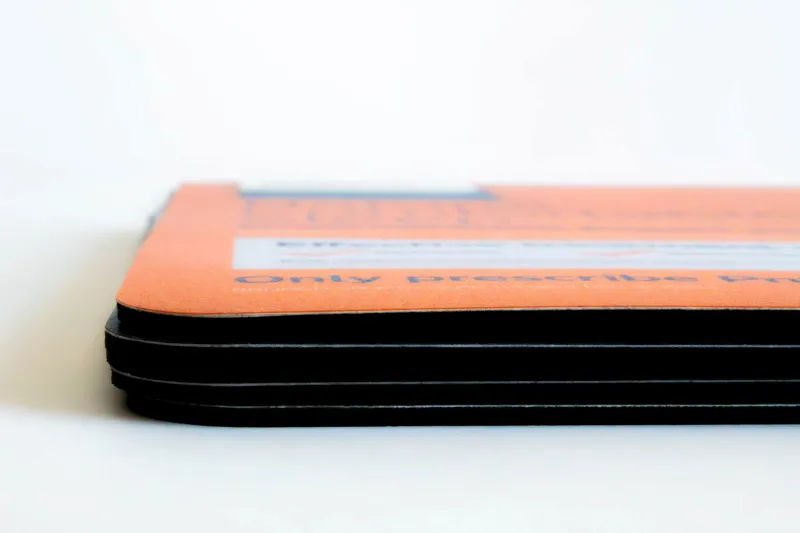
- Custom Counter Mats – Durable plastic countermats printed with Dry Toner technology for restaurants, bars, and retail
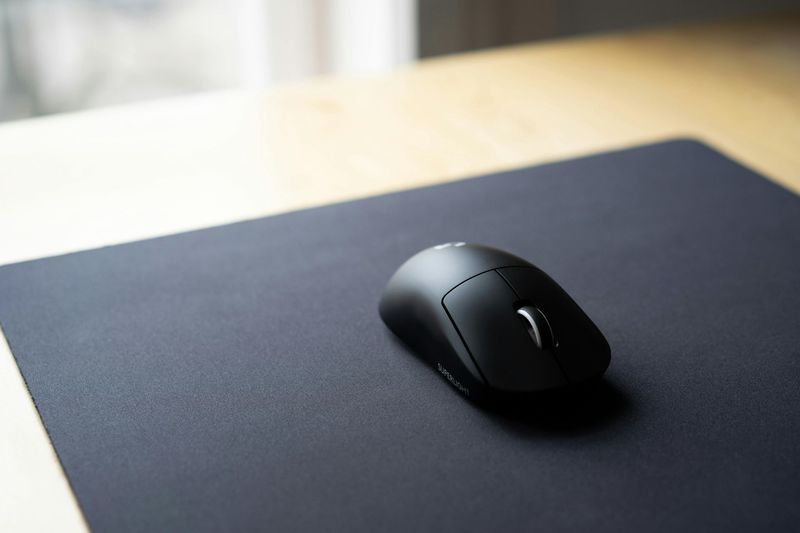
- Custom Mouse Pads – Vibrant UV flatbed printed mousepads for promotional giveaways and office branding
- Plastic Sign Printing – Rigid and flexible plastic signage for indoor and outdoor use
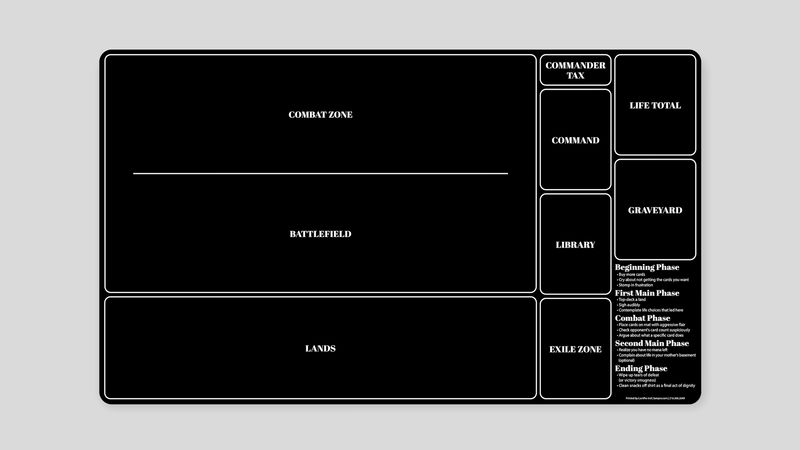
- Custom Promotional Products – Let us help you create something unique
Looking for more? Check out our capabilities portfolio to see examples of our work.
Let's Create Something
Whether you need 50 durable custom countermats for a restaurant chain or a one-of-a-kind custom mousepad for a trade show, understanding the science behind the print makes all the difference.
At LPi , we aren't just printing on plastic ; we are engineering durability with advanced UV flatbed printing and dry toner technology.
Ready to get started? Contact us today for a custom quote, or upload your design to our online shop!
Featured Products
Printed Product
Buy Now
Business Cards
Buy Now
Best Value Business Cards
Buy Now
Silk Business Cards
Buy Now
Gloss Business Cards
Buy Now
Lamination Business Cards
Buy Now
Specialty Business Cards
Buy Now
Postcards
Buy Now
Posters
Buy Now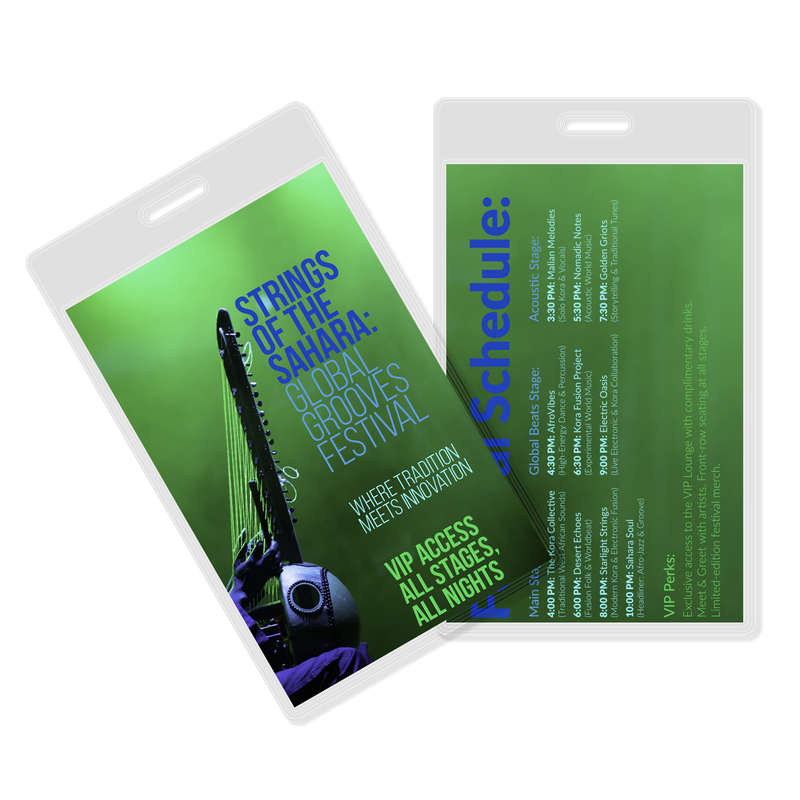
Event Badges / VIP badges / Admission Badges
Buy Now
Wristbands
Buy Now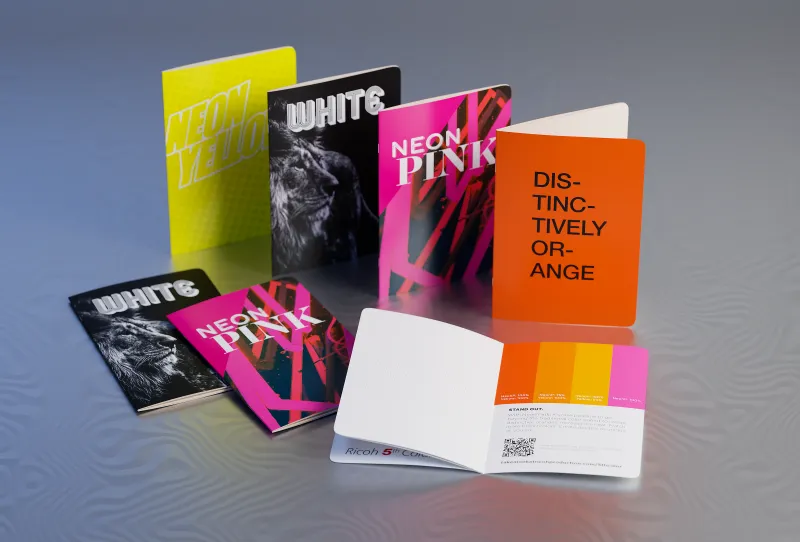
Metallic or Neon Printed Products
Buy Now
Read More...