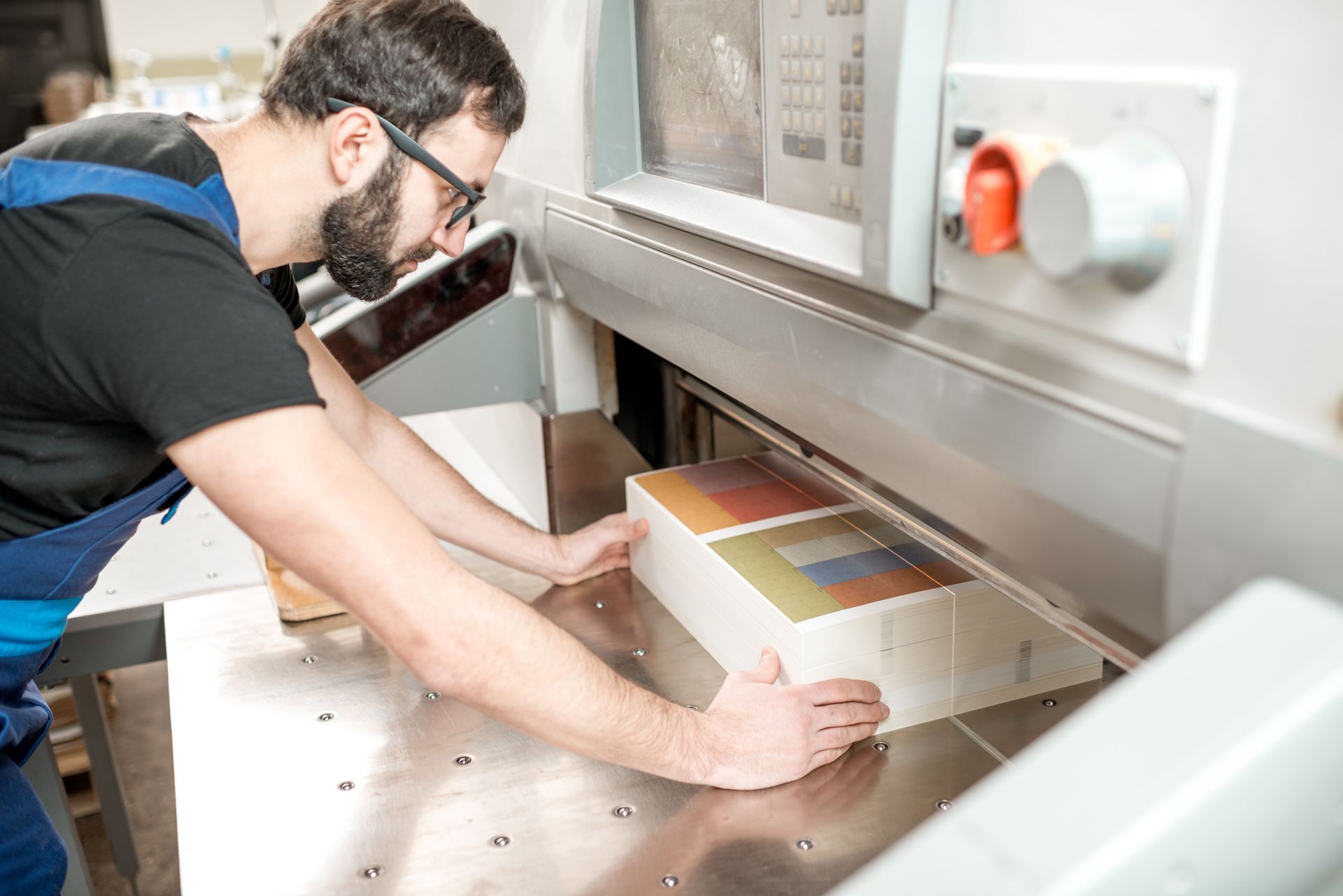
Embracing the Creative Journey: From Bricks to Diamonds
Embracing the Creative Journey: From Polishing Bricks to Shining Diamonds

Creativity is often perceived as a solitary endeavor, where the artist or creator hones their ideas in isolation until they reach perfection. However, Ed Catmull, in his book Creativity, Inc., offers a compelling analogy that challenges this notion. He suggests that if you guard your idea and don’t let anyone see it, you may think you are polishing a diamond, but to onlookers, it might look like you are polishing a brick. This analogy highlights a crucial aspect of the creative process: the importance of sharing and receiving feedback.
The Myth of the Lone Genius
The image of the lone genius, toiling away in solitude to produce a masterpiece, is a romantic but misleading one. True creativity often flourishes in collaborative environments. When you keep your ideas to yourself, you risk becoming blind to their flaws and potential improvements. By sharing your work with others, you gain fresh perspectives that can reveal hidden aspects and lead to valuable refinements. At LamPro Industries, we believe that the best results come from collaborating with our clients to bring their creative visions to life.
The Value of External Opinions
One of the key lessons from Creativity, Inc. is the importance of seeking opinions from outside sources. Catmull emphasizes that external feedback is essential for any creative endeavor. It allows you to see your work through different lenses, uncovering strengths and weaknesses you might have missed. This process is not about diluting your vision but enhancing it through diverse viewpoints.
Incorporating feedback requires humility and openness. It means being willing to accept that your initial idea might not be perfect and that it can benefit from the insights of others. This willingness to listen and adapt is a hallmark of successful creative projects.
Embracing Mistakes as a Path to Innovation
Another core theme in Creativity, Inc. is the acceptance of mistakes as part of the creative journey. Mistakes are often seen as failures, but in the context of creativity, they are opportunities for learning and growth. When you allow yourself to make mistakes, you open the door to experimentation and innovation.
Catmull argues that creative work takes time to get right, and the path to authenticity and innovation is often paved with errors and missteps. Rather than fearing mistakes, embrace them as a natural part of the process. Each mistake brings you closer to understanding what works and what doesn’t, refining your ideas in the process. This philosophy applies directly to bringing creative visions to life through print.
Focusing on Problems, Not Feelings
A common pitfall in creative work is getting caught up in feelings of frustration or discouragement. Creativity, Inc. advises shifting the focus from feelings to problems. Instead of dwelling on how a setback makes you feel, concentrate on the problem at hand and how to solve it. This pragmatic approach keeps you moving forward and helps maintain a constructive mindset.
Drawing Insights from Other Books
Other books that echo these themes include:
The War of Art by Steven Pressfield - Pressfield discusses the resistance that artists face and emphasizes the importance of perseverance and discipline in overcoming creative blocks.
Big Magic by Elizabeth Gilbert - Gilbert explores the nature of creativity, encouraging readers to embrace curiosity, trust the process, and be fearless in their creative endeavors.
Steal Like an Artist by Austin Kleon - Kleon offers practical advice on how to embrace influence and collaboration, suggesting that no idea is entirely original and that creativity is a communal effort.
Applying Creative Principles to Print & Design
At LamPro Industries, we live by these creative principles every day. Whether you're designing business cards, counter mats, or large format displays, we collaborate with you to turn your initial concepts into polished, professional finished products. Our portfolio showcases the results of successful creative partnerships.
Conclusion
The journey of creativity is seldom a straight path. It involves sharing ideas, seeking feedback, embracing mistakes, and focusing on solutions. By adopting these principles, you transform the process from polishing a brick in isolation to crafting a diamond in collaboration with others. Creativity, as Catmull and other authors suggest, is not just about the final product but the iterative, communal process of bringing ideas to life. So, share your ideas, learn from others, and don’t be afraid to make mistakes. In doing so, you’ll discover the true brilliance of your creative potential.
Ready to turn your creative vision into reality? Request a consultation,browse our products, orcontact our teamto start your next creative project with LamPro Industries.
Featured Products

Printed Product
Buy Now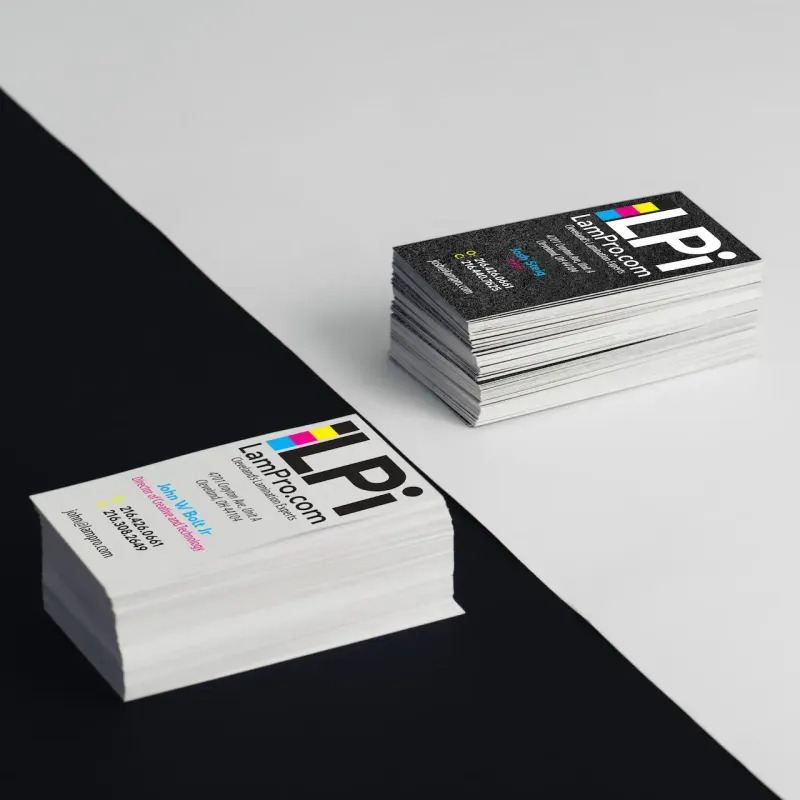
Business Cards
Buy Now
Best Value Business Cards
Buy Now
Silk Business Cards
Buy Now
Gloss Business Cards
Buy Now
Lamination Business Cards
Buy Now
Specialty Business Cards
Buy Now
Postcards
Buy Now



Posters
Buy Now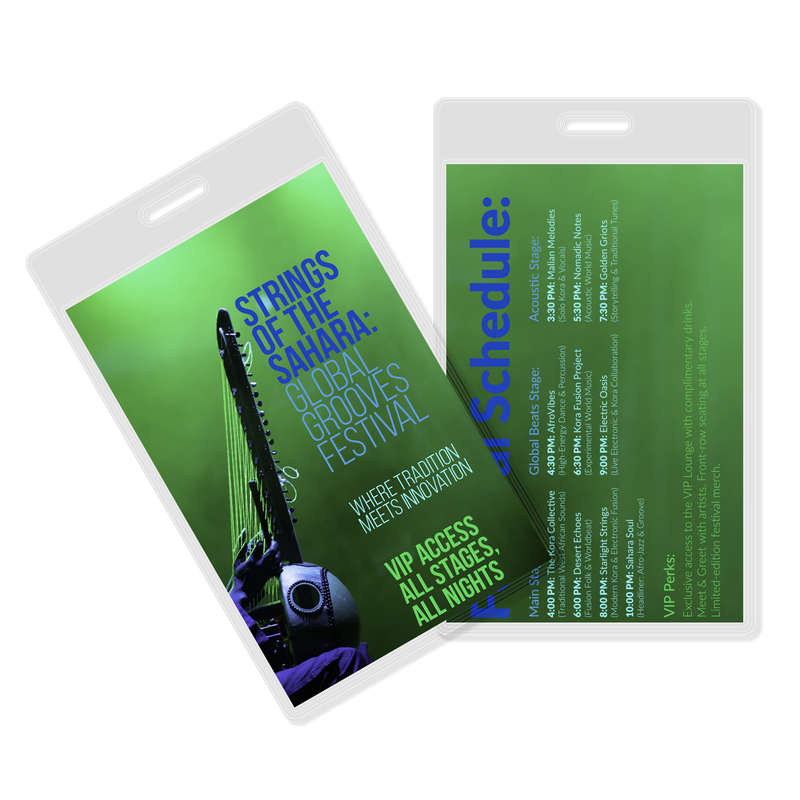
Event Badges / VIP badges / Admission Badges
Buy Now
Wristbands
Buy Now
Metallic or Neon Printed Products
Buy Now










Read More...