Seeing the World Differently: How Cognitive Diversity Shapes Creativity
Seeing the World Differently: How Cognitive Diversity Shapes Creativity

Introduction: Embracing Cognitive Diversity
We all see the world differently. Whether it’s through the lens of our cognitive makeup, neurological differences like ADHD or Autism, or the impact of life experiences, our approaches to creativity and problem-solving are as unique as we are. Understanding these differences can help us unlock our creative potential and find the methods that work best for us.
Different Perspectives, Different Strengths
Some of us might visualize solutions in vivid detail, while others think in words, sounds, or abstract concepts. These variations in how we process information can greatly influence how we approach creative tasks. For example, those with Aphantasia—who do not experience mental imagery—might rely more on logical reasoning or verbal thinking. On the other hand, individuals with Hyperphantasia might have such vivid mental imagery that it can both fuel creativity and occasionally overwhelm them with too many ideas.
But it’s not just about these conditions. Neurological differences like ADHD and Autism also bring unique strengths to the creative process. A study published in the Journal of Creative Behavior found that people with ADHD often excel in divergent thinking, which is the ability to generate creative ideas by exploring many possible solutions. Similarly, those on the autism spectrum might have a heightened ability to recognize patterns and details, which can lead to innovative approaches in fields that require precision and out-of-the-box thinking.
The Impact of Life Experiences on Creativity
Life experiences also play a crucial role in shaping how we approach creativity. Stress, trauma, or even positive experiences like travel can influence whether we prefer structured thinking or thrive in more spontaneous, chaotic environments. Research from the American Psychological Association suggests that exposure to diverse environments and experiences can lead to greater cognitive flexibility, a key component of creativity. This means that the more varied our experiences, the more tools we have at our disposal when tackling creative challenges.
Overcoming Creative Blocks
Creative blocks are a common challenge, and they can be influenced by everything from cognitive differences to life stressors. For those who need structure, tools like planners, checklists, or routines can help guide the creative process. On the other hand, people who thrive on spontaneity might find that free-writing, brainstorming sessions, or exploring new environments sparks their creativity.
A study from the University of California found that walking, especially in natural settings, can significantly boost creative thinking by increasing cognitive flexibility. This supports the idea that sometimes the best way to overcome a creative block is to step away from the problem and engage in an activity that allows your mind to wander.
Finding What Works for You
The key to unlocking your creative potential lies in understanding your own unique way of thinking. Whether it’s visualizing ideas, talking them out, or using tactile methods like drawing or building models, there’s no one-size-fits-all approach to creativity. By exploring different methods and being mindful of how your mind works, you can find the strategies that best suit you.
Applying Creative Thinking to Print & Design
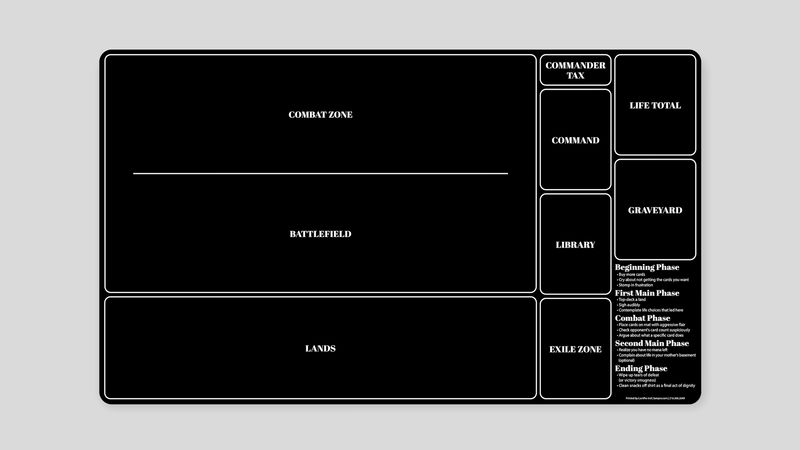
At LamPro Industries, we celebrate diverse approaches to creativity. Whether you're designing custom counter mats, unique business cards, or large format prints, our team works with you to bring your unique vision to life. Contact us to discuss how we can help turn your creative ideas into reality.
Conclusion: Celebrating Individuality in Creativity
Creativity is not a one-size-fits-all process. It’s a deeply personal journey influenced by our cognitive makeup, neurological differences, and life experiences. By embracing our individuality and understanding how our minds work, we can tap into our unique strengths and overcome the challenges that stand in the way of our creative expression.
Ready to bring your unique creative vision to life? Explore our products,view our portfolio, orrequest a custom quotetoday.
References
- Divergent Thinking and ADHD: Creativity Without Boundaries. Journal of Creative Behavior.
- Pattern Recognition in Autism: A Unique Cognitive Strength. Journal of Autism and Developmental Disorders.
- Cognitive Flexibility and Creativity: The Role of Diverse Experiences. American Psychological Association.
- Walking and Creative Thinking: A Study on the Cognitive Benefits of Physical Activity. University of California.
Featured Products
Printed Product
Buy Now
Business Cards
Buy Now
Best Value Business Cards
Buy Now
Silk Business Cards
Buy Now
Gloss Business Cards
Buy Now
Lamination Business Cards
Buy Now
Specialty Business Cards
Buy Now
Postcards
Buy Now



Posters
Buy Now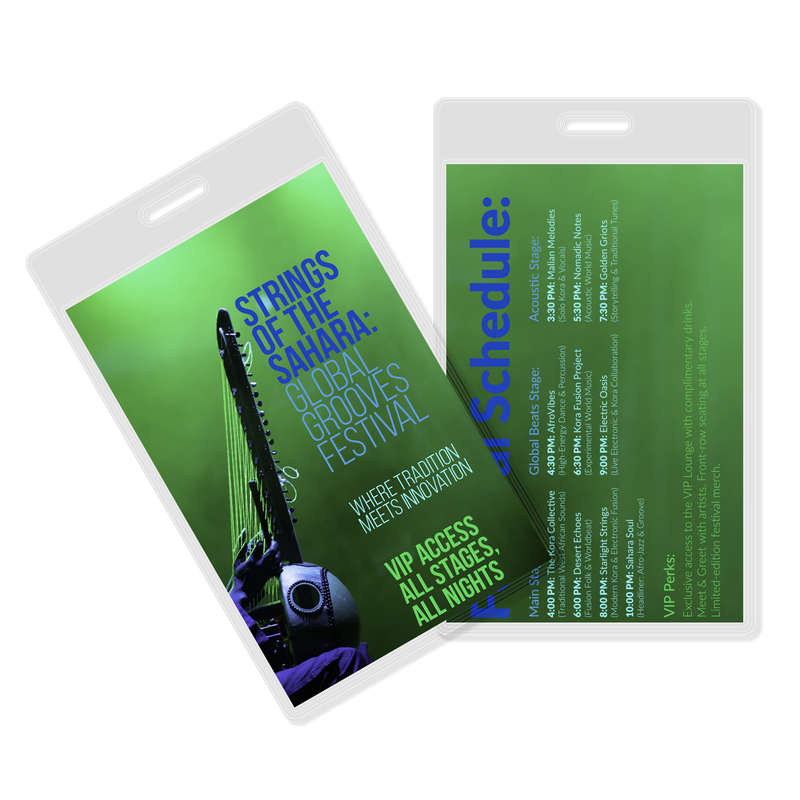
Event Badges / VIP badges / Admission Badges
Buy Now
Wristbands
Buy Now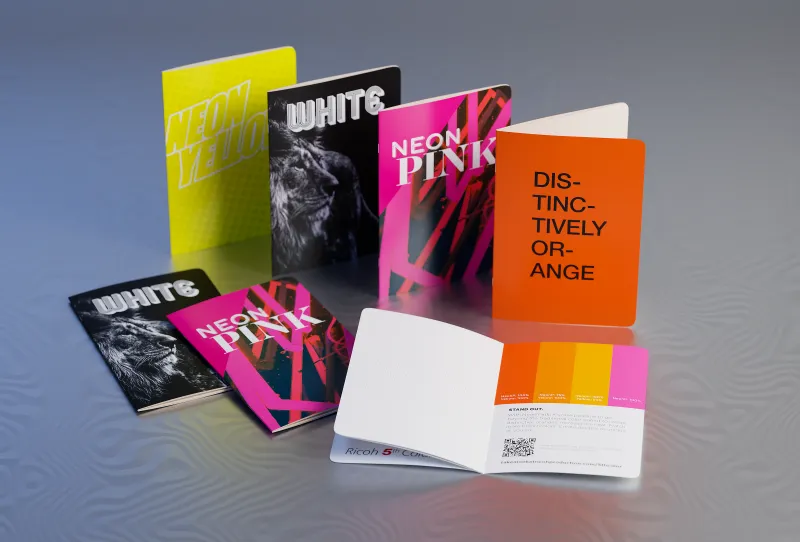
Metallic or Neon Printed Products
Buy Now








Read More...