The Evolution and Modern Marvels of Die-Cutting in Printing
The Evolution and Modern Marvels of Die-Cutting in Printing
From Leather Manufacturing to Precision Digital Die Cutting Services
What is a die cut in printing?
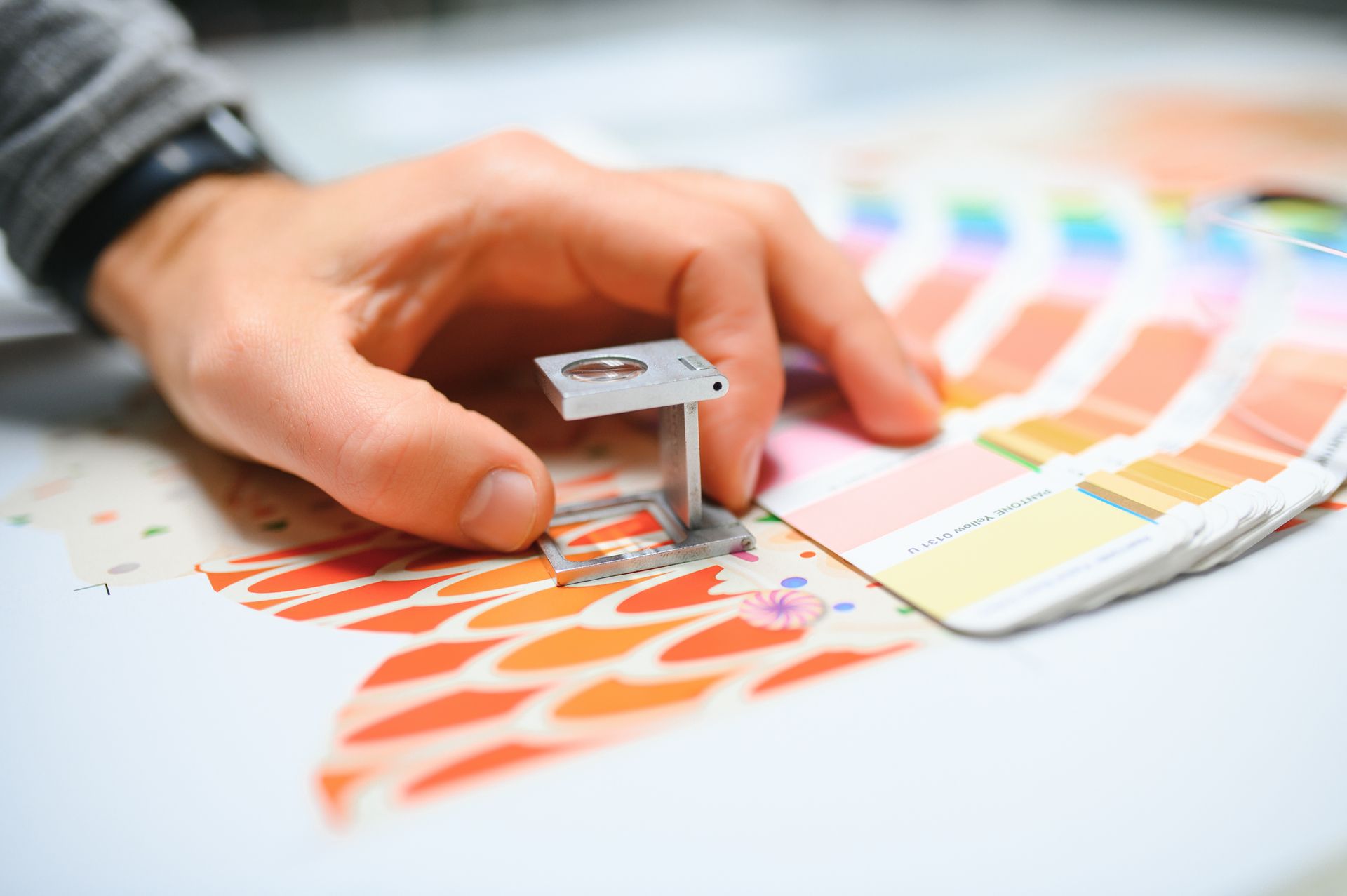
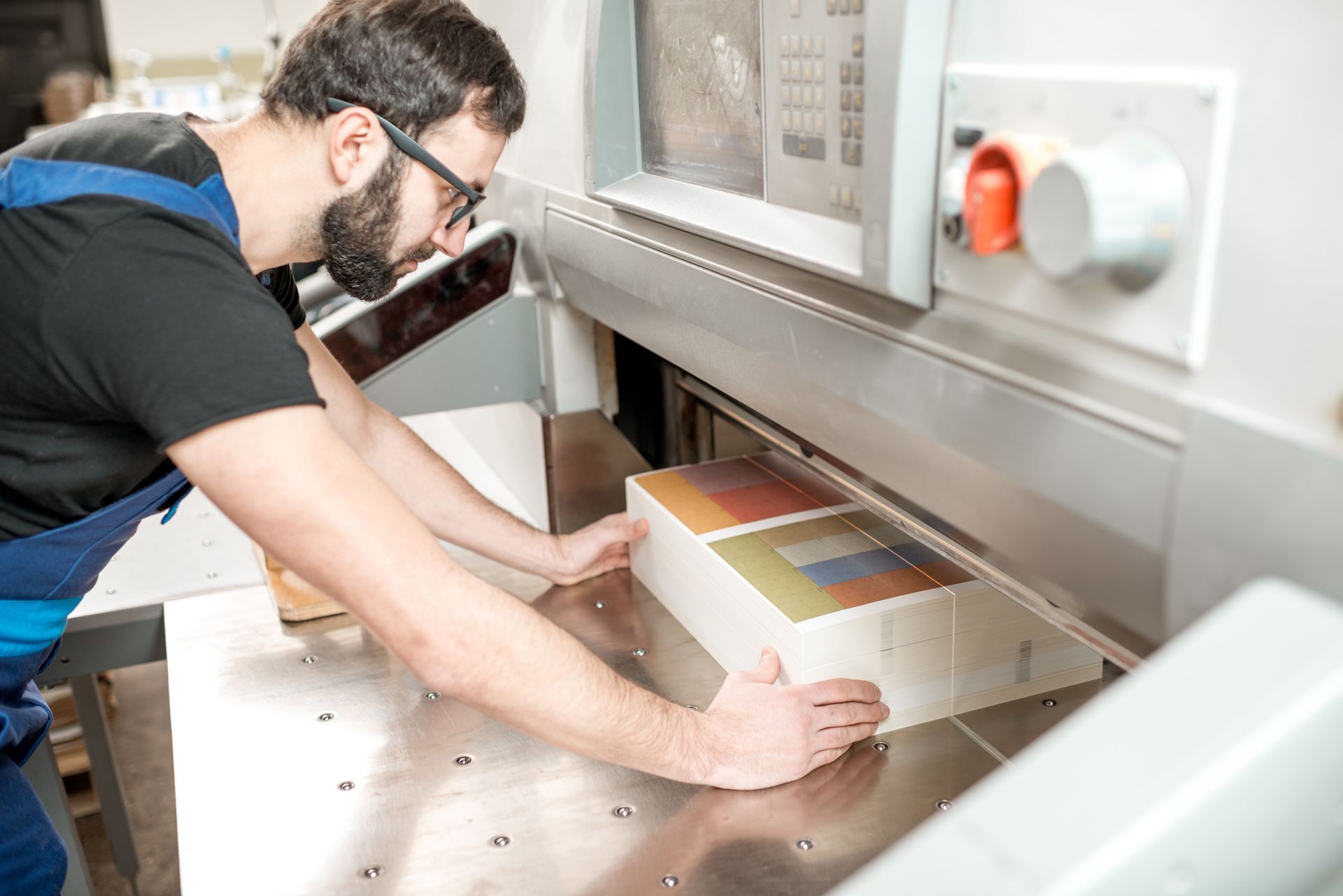
Die cutting in printing is a manufacturing process that uses a specialized tool called a "die" to cut, shape, or trim materials into specific forms. A die cut creates precise, repeatable shapes like circles, stars, or custom contours. The die cutting industry has evolved from manual leather cutting to advanced digital and laser technologies. Die printing often refers to the combination of printing first, then die cutting the printed sheet into final shapes. Learn more about our custom die cutting services →
The History of Die-Cutting: From Leather to Precision Cutting
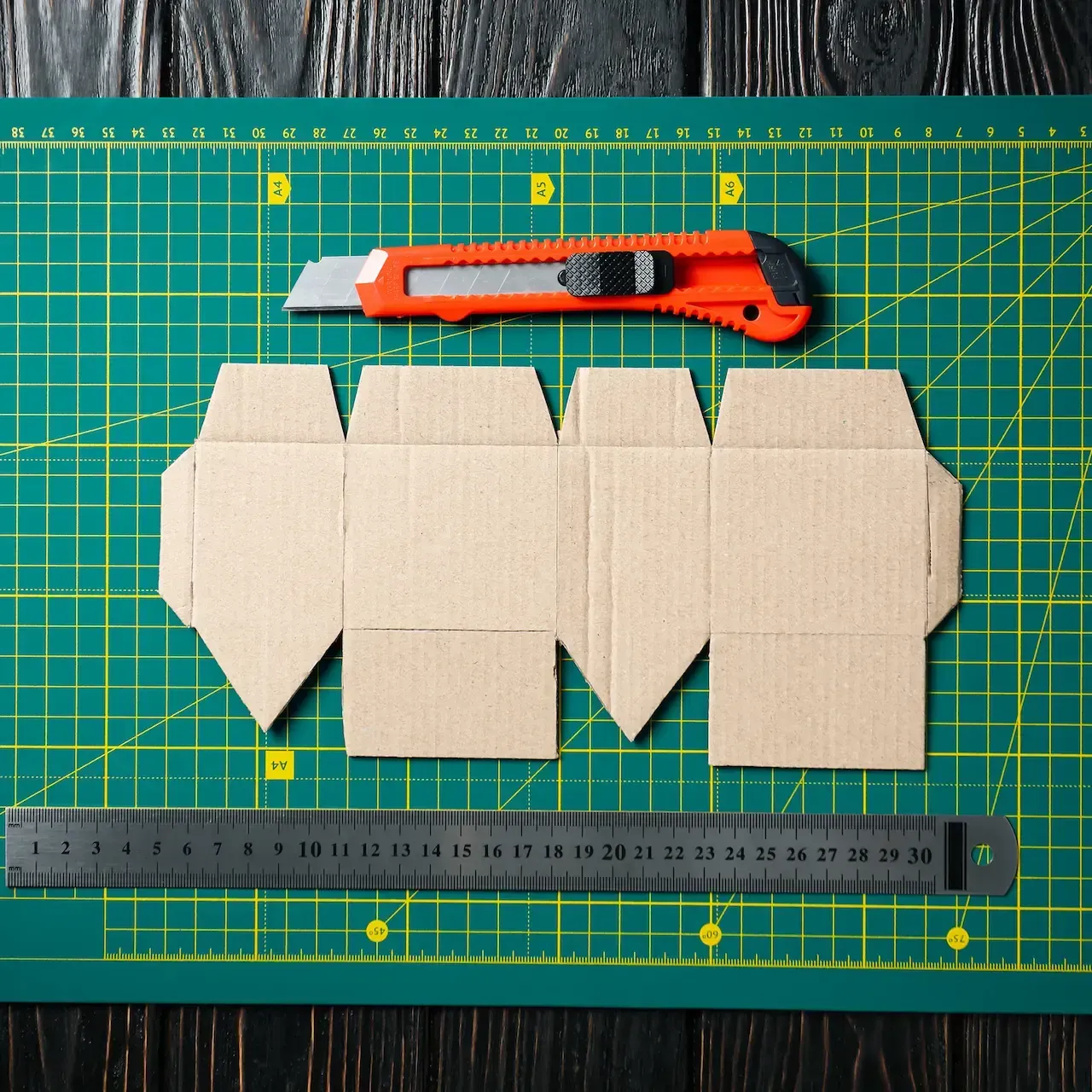
Die-cutting , a process that began in the early 19th century, revolutionized the printing and packaging industries. Initially, it was a labor-intensive manual process used for cutting leather for shoe manufacturing. With the advent of industrialization, die-cutting transitioned into the printing industry, allowing for precise and uniform cuts of various shapes and sizes. This innovation enabled the mass production of intricate designs on paper and other materials, significantly reducing production time and costs. Today, custom die cutting services are essential for creating everything from custom-shaped business cards to promotional counter mats and custom coasters .
The Die Cutting Industry Today: Technological Advancements
Recent advancements in die-cutting technology have greatly enhanced precision, speed, and versatility. Here are some of the modern machines and technologies revolutionizing the die cutting industry, along with their strengths and weaknesses:
Die Cutting Methods Compared
| Method | Best For | Strengths | Limitations |
|---|---|---|---|
| Traditional Die-Cutter | High-volume packaging, rubber mats | Precise, durable, consistent | Physical dies costly, slow setup |
| Rotary Die Cutter | Labels, stickers, high-speed runs | High-speed, intricate designs | Not for thick materials, high setup cost |
| Laser Cutter | Prototypes, acrylic, detailed shapes | No dies needed, extremely precise | Slower, heat can damage some materials |
| Digital Die Cutter | Short runs, custom business cards | Quick setup, no dies, customizable | Slower for high volume, limited thickness |
Traditional Die-Cutters
Traditional die-cutters, often referred to as "flatbed die-cutters," use steel rule dies to cut materials. These machines are highly reliable for large-scale production runs, offering consistency and durability. They remain a cornerstone of industrial die cutting for high-volume packaging and rubber products.
- Strengths:High precision and consistency; durable; suitable for large production runs; can cut a wide range of materials, including rubber for custom counter mats and mouse pads.
- Weaknesses:Requires the creation of physical dies, which can be time-consuming and costly; less flexibility for small runs and custom jobs.
Rotary Die Cutters
Rotary die cuttersuse cylindrical dies, which roll over the material, cutting intricate shapes with unparalleled accuracy. This technology is particularly advantageous for high-volume production runs and complex designs, making it ideal for custom packaging and labels.
- Strengths:High-speed production; excellent for intricate and complex designs; ideal for high-volume runs.
- Weaknesses:May not be suitable for cutting thicker materials like rubber; initial setup costs can be high.
Laser Cutters
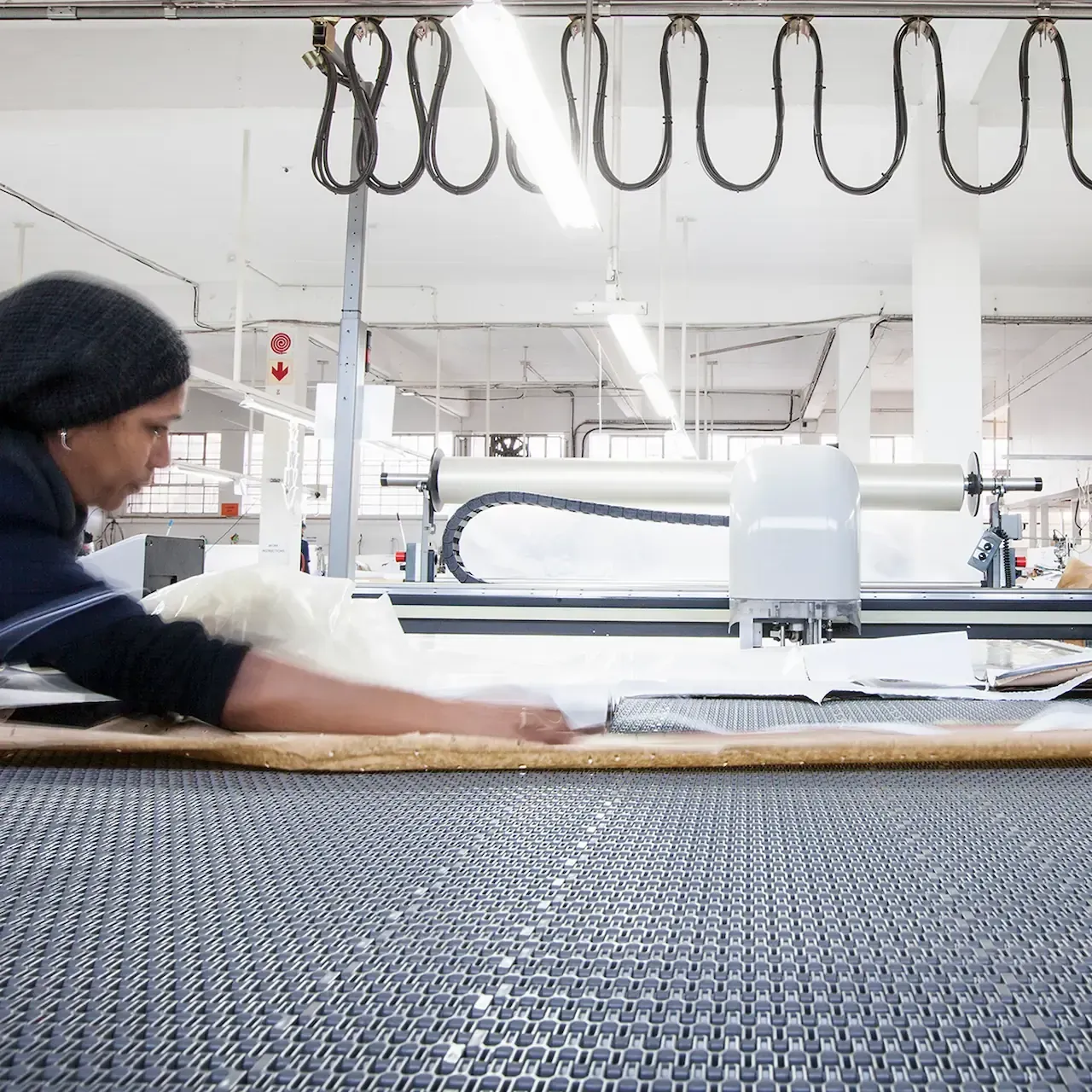
Laser die-cuttingis a non-contact process that uses a laser to cut materials. This technology offers incredible precision and the ability to cut detailed and intricate designs without the need for physical dies. It's particularly valuable for prototyping and custom-shaped products.
- Strengths:Extremely precise and detailed cuts; no need for physical dies, allowing for quick adjustments and prototyping; can cut a wide range of materials, including paper, plastics, and metals.
- Weaknesses:Slower than traditional and rotary die-cutting for large runs; not suitable for materials that can be damaged by heat, such as certain synthetics and rubber.
Digital Die Cutters
Digital die cuttersare known for their versatility and ease of use. These machines use digital technology to create custom cuts without the need for traditional dies, making them perfect for short-run die cutting and custom promotional items .
- Strengths:Highly customizable and ideal for short-run jobs; quick setup with no need for physical dies; great for on-demand printing services and small production runs.
- Weaknesses:Limited in cutting thicker and tougher materials like rubber; generally slower than traditional and rotary die cutters for high-volume jobs.
Die Printing Applications: Materials We Cut
Modern die-cutting technologies can handle an impressive array of materials, making them indispensable in various industries. Here are some of the materials and applications:
Paper and Cardstock
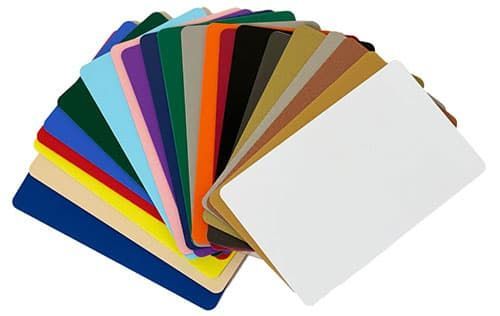
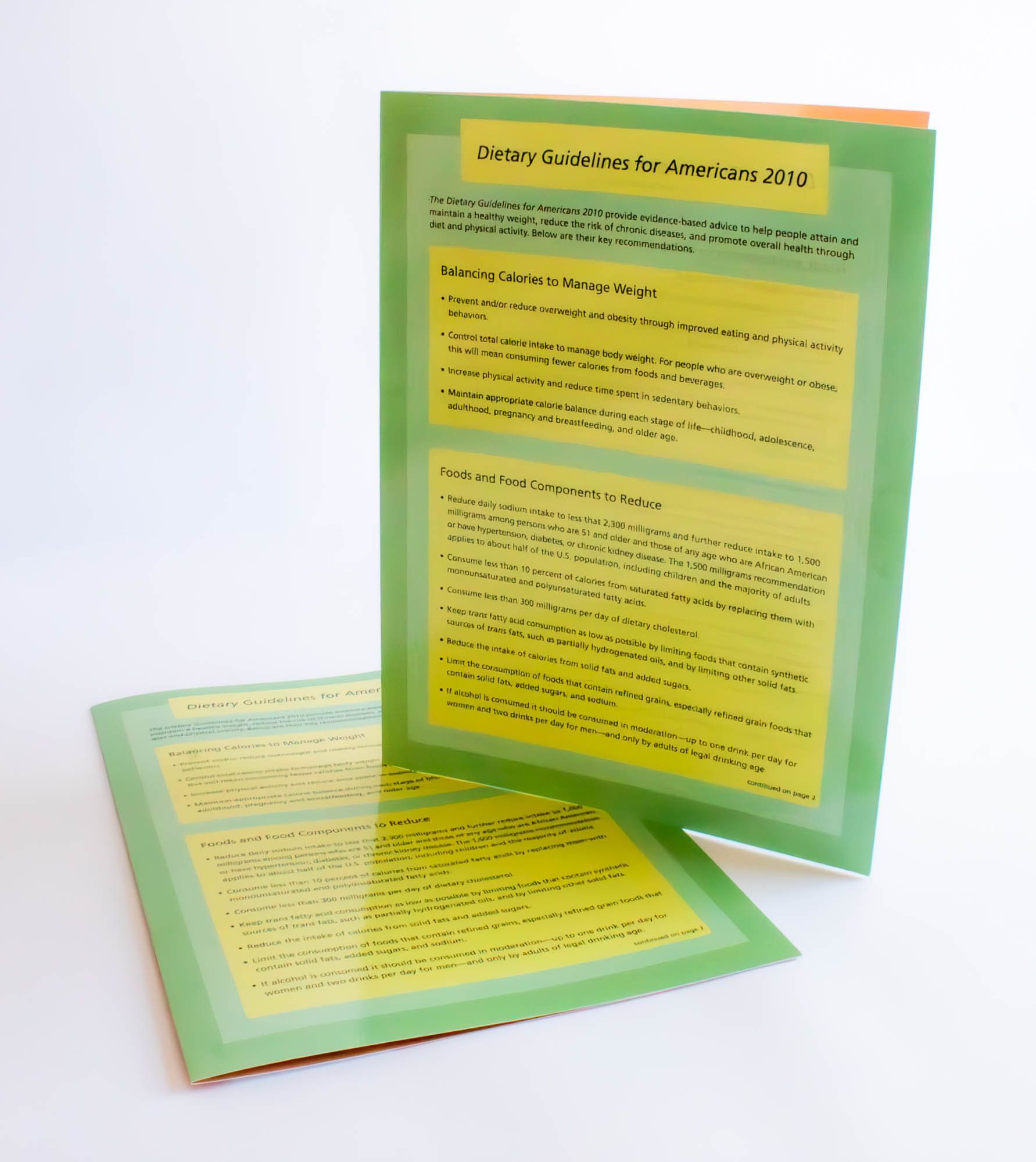
The most common materials for die-cutting, used extensively in packaging, greeting cards, and marketing materials. Custom die-cut business cards and promotional flyers benefit from precise, professional edges that enhance brand perception.
Synthetics and PVC
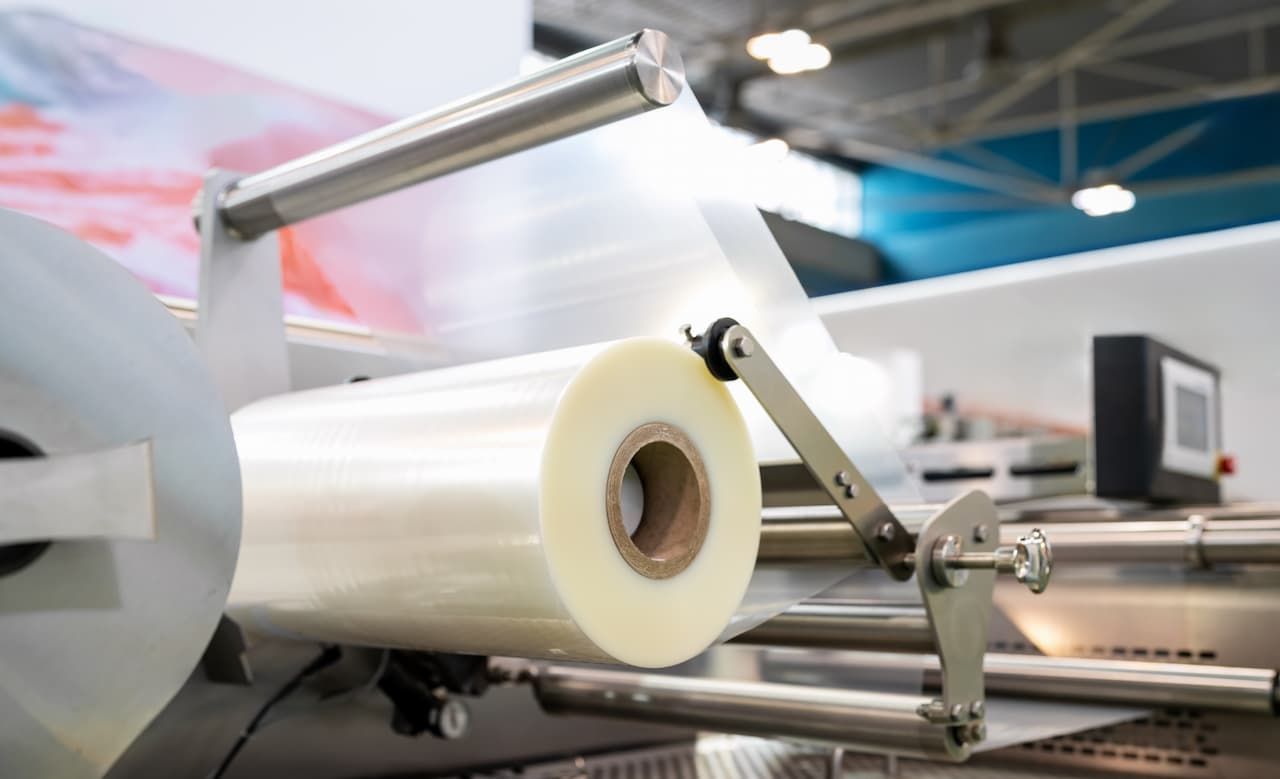
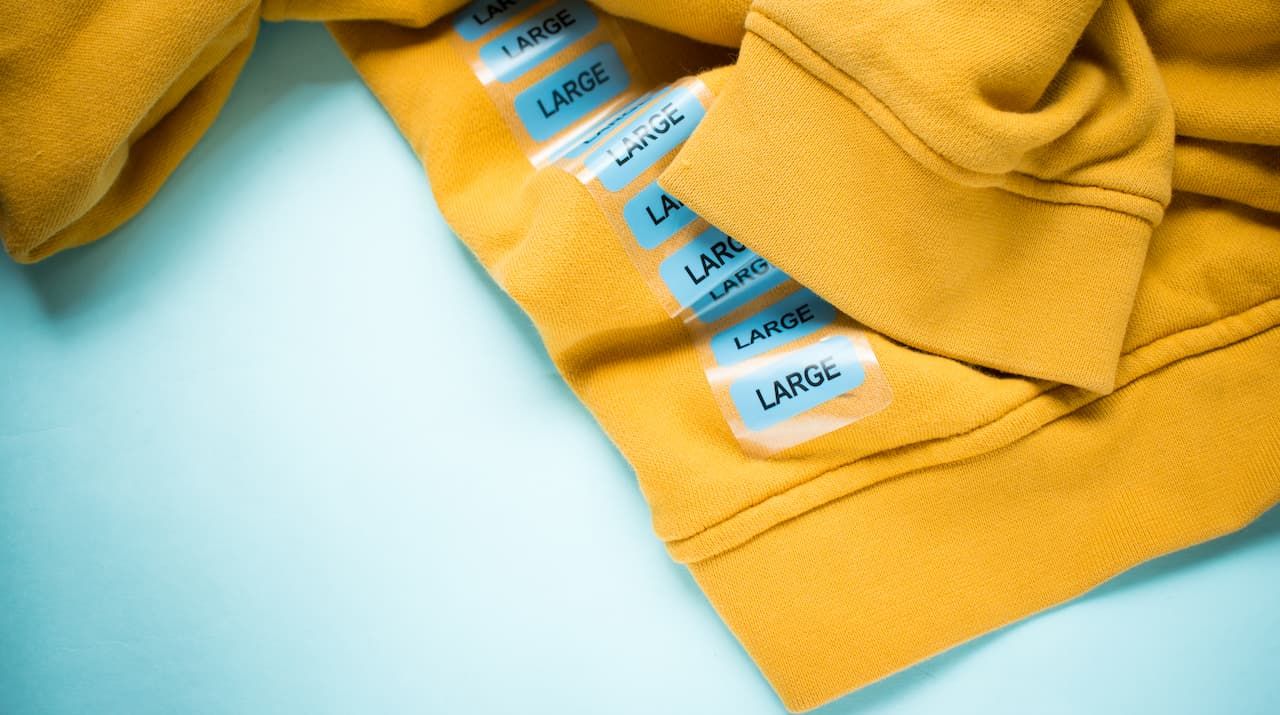
With advancements in printing technologies, many printers can now print on synthetic materials and PVC, expanding the range of products that can be die-cut. These materials are used in creating durable items like signage, labels, and custom event badges and laminated ID cards that require precise shapes.
Rubber and Specialty Materials
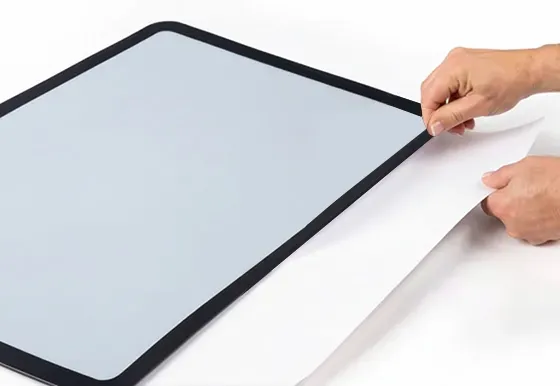
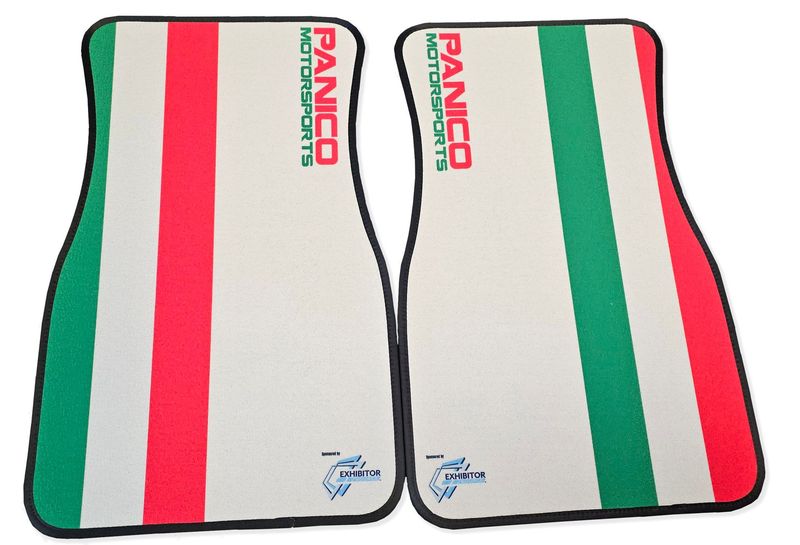
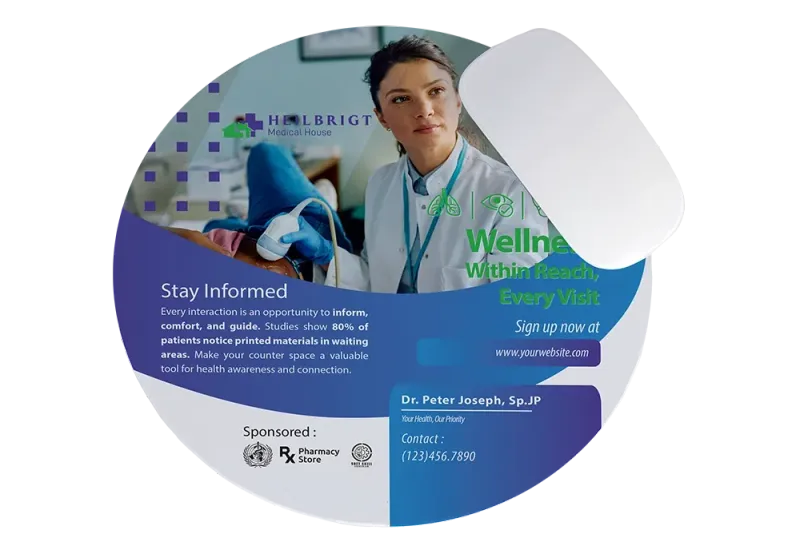
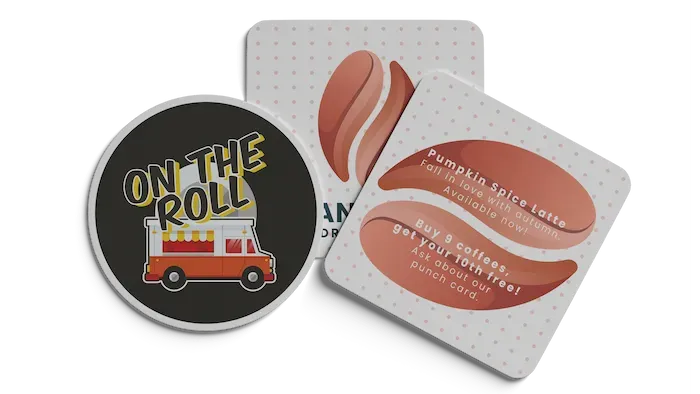
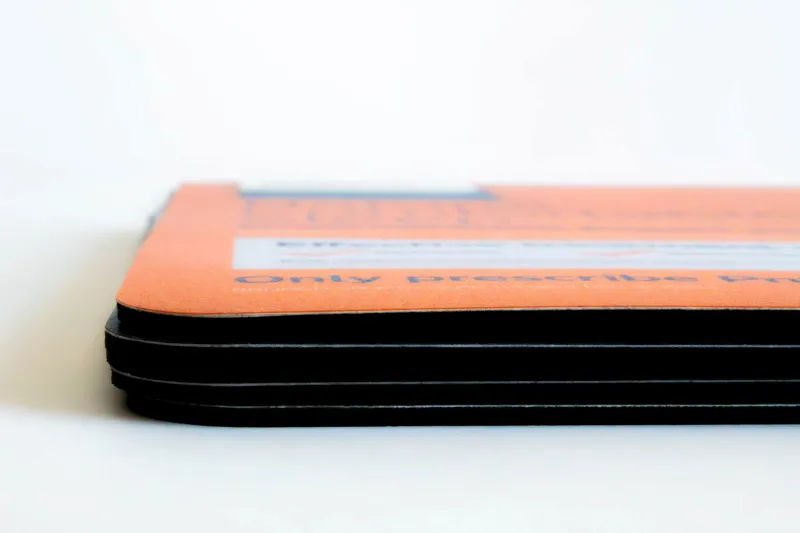
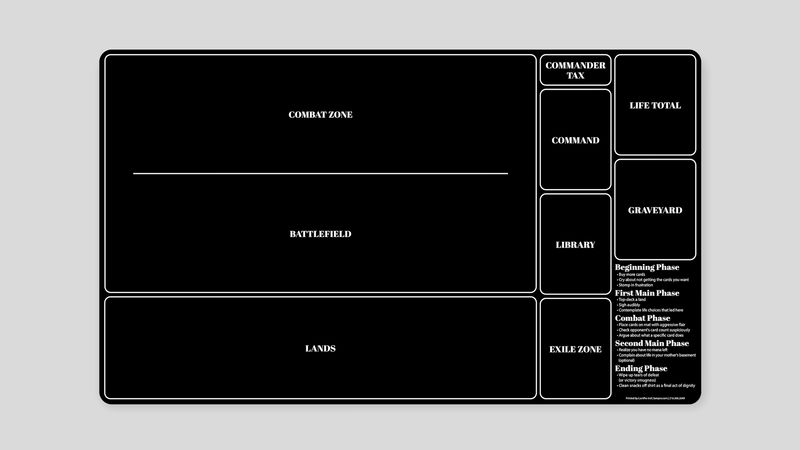
Die-cutting is crucialin the production of items like custom counter mats , mouse pads , and promotional coasters . After printing and mounting the rubber, these products are die-cut into the desired shapes, ensuring precision and consistency. Note that not all die-cutting technologies can handle rubber effectively—traditional die-cutters excel at this application.
Specialty Applications
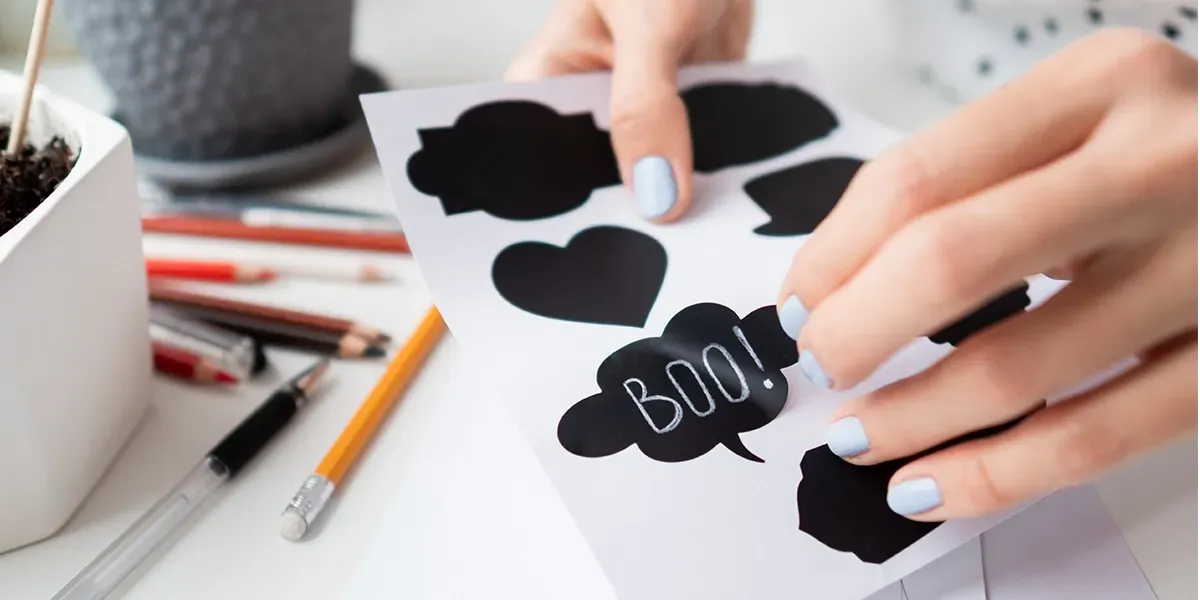
Die-cutting is also used in creating custom packaging, promotional items, and intricate marketing materials. Examples include custom stickers and intricate packaging designs that enhance product appeal.
Conclusion: The Future of Die Cutting in Printing
Die-cutting has come a long waysince its inception, evolving into a critical process in the printing and packaging industries. The integration of modern technologies has not only increased the efficiency and precision of die-cutting but also expanded the range of materials and applications. From traditional die-cutters to advanced laser and digital cutters, the options are vast and continually improving. Whether you are producing high-volume packaging or custom promotional items , modern die-cutting technologies offer the tools needed to bring your creative visions to life.
By exploring these advancements, you can stay ahead in the industry and offer innovative solutions to your clients. At LamPro Industries, we combine die cutting services with professional laminating and print finishing to deliver complete solutions for businesses nationwide.Contact usto discuss your next project.
Explore Our Die-Cut Products:
- Custom Counter Mats – Durable rubber mats with precision die-cut edges for bars, restaurants, and retail counters.
- Custom Coasters – Square, round, or custom-shaped coasters made with professional die cutting for bars, weddings, and events.
- Event Badges – Precision-cut registration badges and laminated ID cards for conferences, festivals, and corporate events.
For more information on the latest advancements in die-cutting technology, visit these resources:
Featured Products
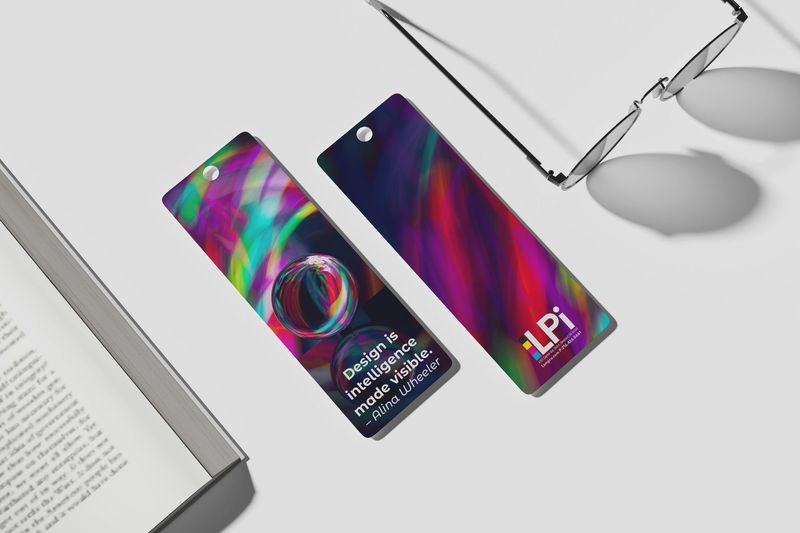
Printed Product
Buy Now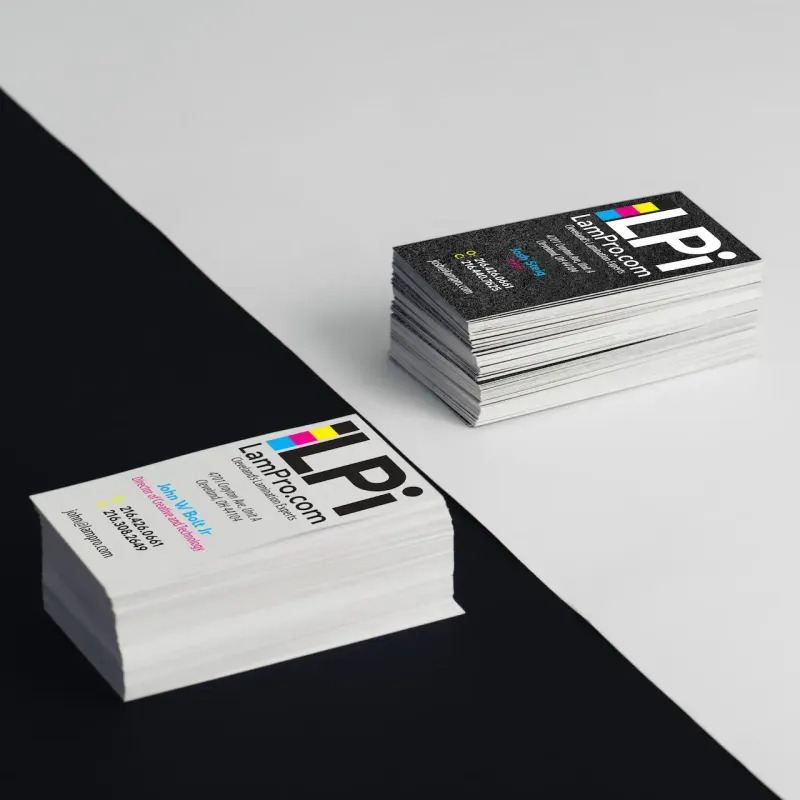
Business Cards
Buy Now
Best Value Business Cards
Buy Now
Silk Business Cards
Buy Now
Gloss Business Cards
Buy Now
Lamination Business Cards
Buy Now
Specialty Business Cards
Buy Now
Postcards
Buy Now

Posters
Buy Now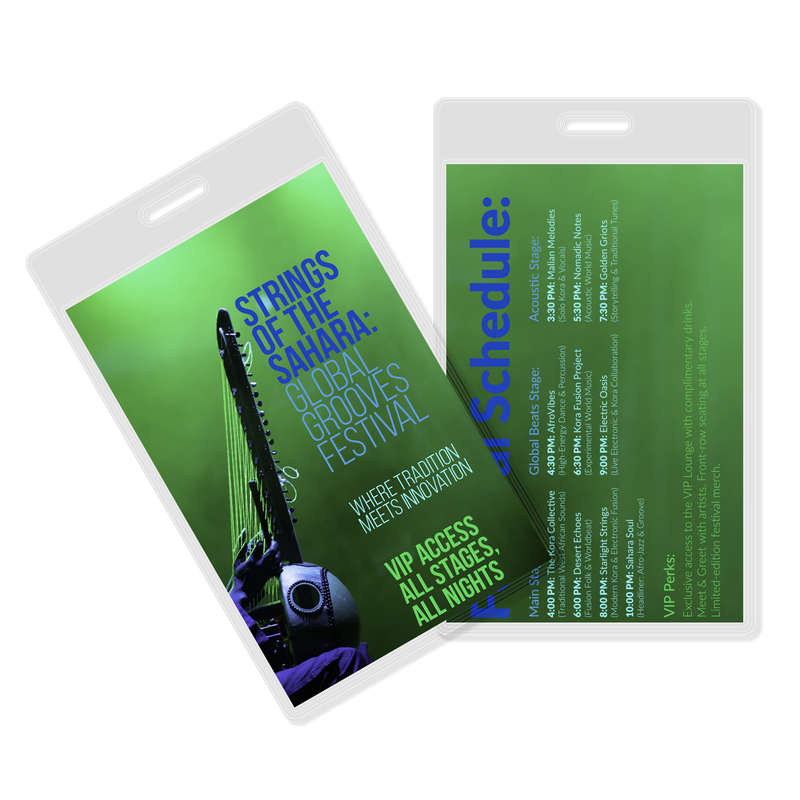
Event Badges / VIP badges / Admission Badges
Buy Now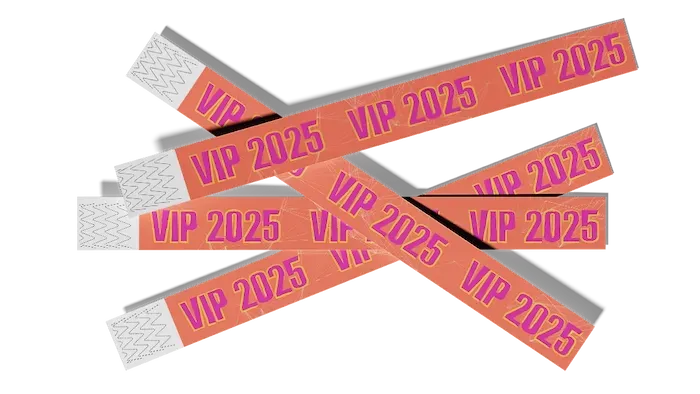
Wristbands
Buy Now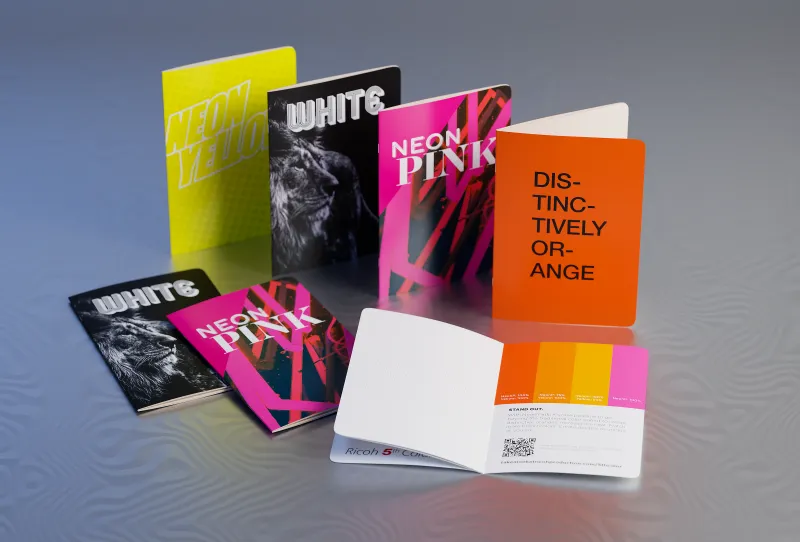
Metallic or Neon Printed Products
Buy Now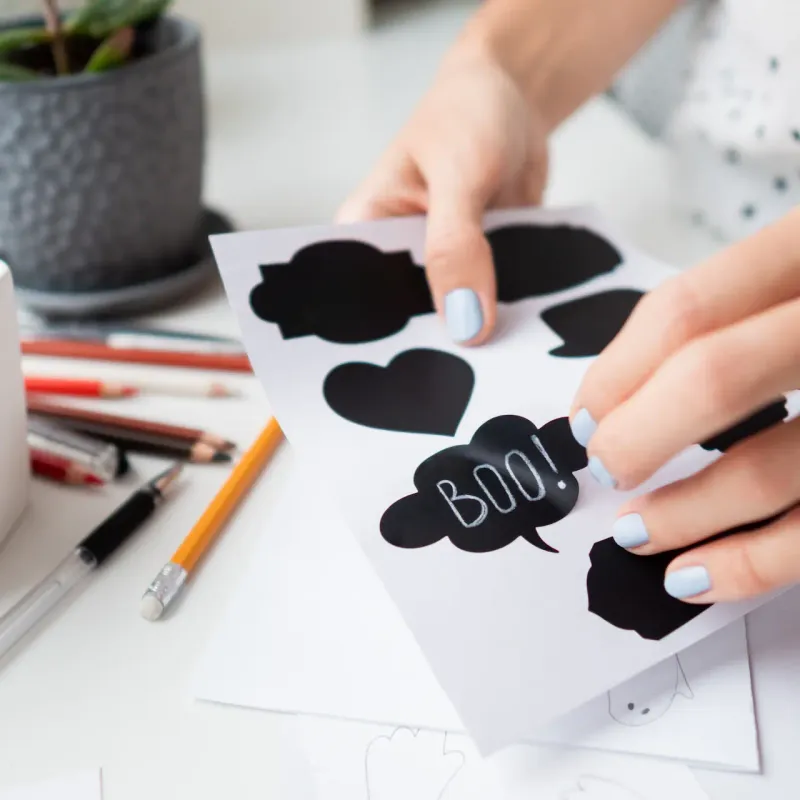
Read More...