The Complexities of Carbon Black: A Balanced Approach to Sustainable Printing
The Complexities of Carbon Black: A Balanced Approach to Sustainable Printing
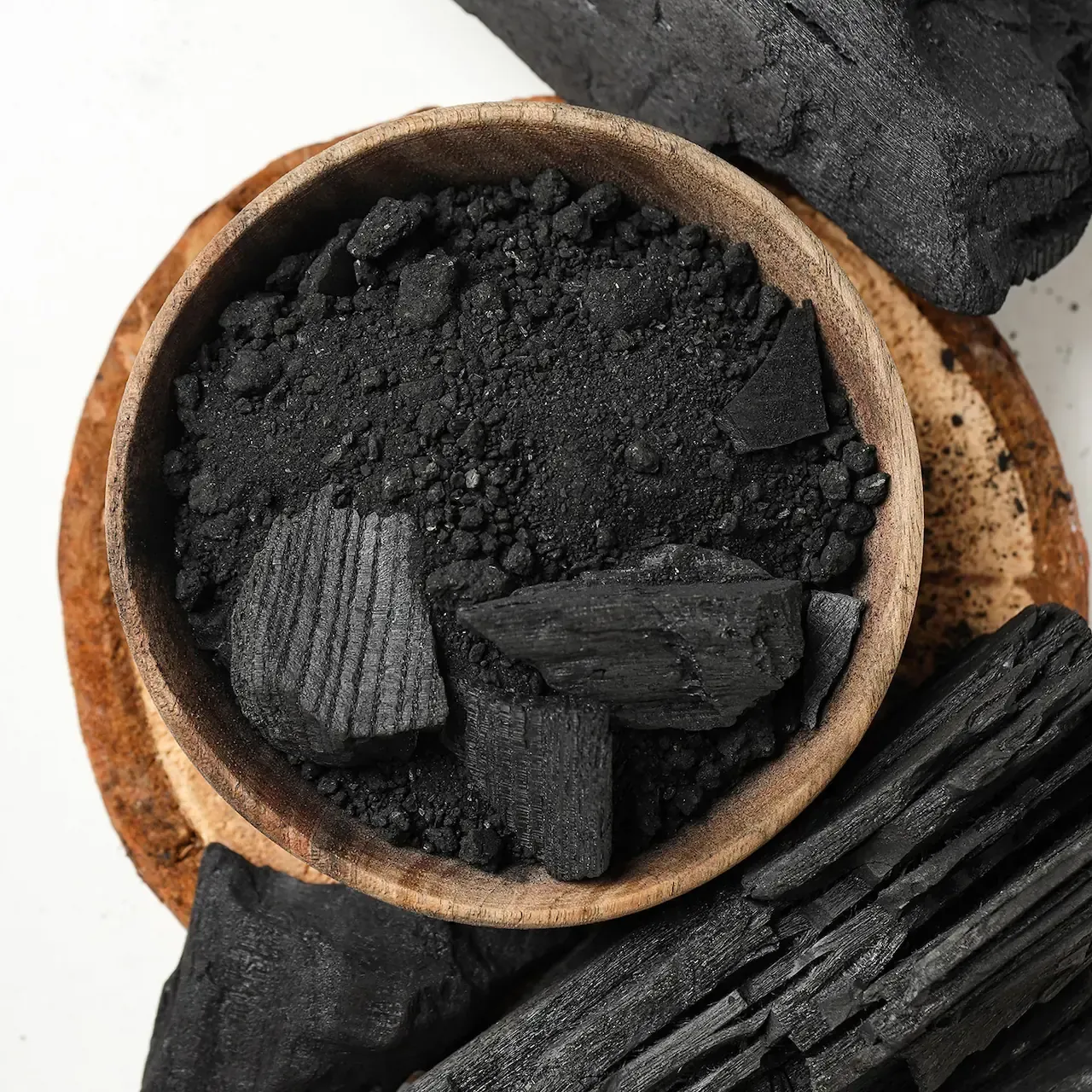
As the world pushes towards more sustainable practices, the print industry finds itself at a crossroads. The proposed ban on carbon black in New York is a prime example of how well-intentioned legislation can create complex challenges for an industry already striving to reduce its environmental impact. In this blog, we'll explore why carbon black has become such a focal point in the debate over sustainable printing, the potential consequences of an outright ban, and what the industry is doing to adapt.
Why Are We Talking About Carbon Black?
Carbon black is a key pigment used in both inks and toners, providing the deep, rich black that is essential for high-quality printing. It's used extensively in everything from packaging to barcodes and is crucial for the legibility and accuracy of printed materials. However, carbon black poses significant challenges in the recycling process. Its light-absorbing properties make it difficult for near-infrared (NIR) sensors—used in recycling facilities—to detect, leading to recyclable materials being incorrectly sorted and often sent to landfills or incinerators instead of being recycled (WhatTheyThink) (Inkjet Insight).
The Proposed Ban: Jumping the Gun?
The New York State Legislature is considering a ban on carbon black in packaging inks as part of the "Packaging Reduction and Recycling Infrastructure Act." The intention behind this legislation is clear: to improve recycling processes and reduce the environmental impact of packaging waste. However, the legislation has sparked significant concern within the printing industry, with many arguing that the ban is premature and lacks a comprehensive understanding of the current technological landscape.
One of the primary criticisms is that the legislation was developed without sufficient input from industry experts. This has led to a situation where the proposed ban could have severe economic consequences for the print industry, particularly in New York, where the legislation would initially take effect. The lack of viable alternatives to carbon black means that printers could face increased costs and logistical challenges, potentially driving business out of the state or even out of the country (Ink World Magazine) (WhatTheyThink) (Printing Impressions).
Are There Alternatives to Carbon Black?
In theory, there are alternative pigments that could be used to produce black inks and toners.
Some options include:
- Biobased Carbon Black: Made from renewable resources like algae, these pigments offer a more sustainable alternative to traditional carbon black. However, they share similar optical properties, which could still interfere with current recycling technologies (Inkjet Insight).
- Iron Oxide and Copper Chromite: These pigments can create black colors, but they come with significant drawbacks, such as being abrasive (leading to faster wear and tear on printing equipment) and more expensive than carbon black (Inkjet Insight).
- Mixed Pigment Approaches: Some inks can be made by mixing multiple colors to create black, but this method is less effective, more costly, and often results in inferior print quality (Inkjet Insight).
While these alternatives are promising, they are not yet ready for widespread adoption in the printing industry. This highlights the gap between the goals of the proposed legislation and the current state of technology.
Industry Efforts Toward Sustainability
It's important to note that the print industry is not standing still when it comes to sustainability. Companies like Ricoh have been at the forefront of developing more eco-friendly printing solutions. Ricoh, for example, has introduced plant-based polymerized toners, which reduce reliance on petroleum and lower the carbon footprint of their printing processes. While these innovations are promising, the transition away from carbon black requires more time and research to ensure that alternatives meet the high standards of performance and cost-effectiveness expected by the industry (WhatTheyThink).
What’s the Realistic Timeline?
The proposed ban's timeline—two years for implementation—has been criticized as unrealistic given the current state of technology. A more pragmatic approach would involve setting incremental goals that allow the industry to transition away from carbon black while continuing to meet customer demands and maintaining economic viability.
This could include:
- Industry Consultation: Engaging with industry experts and manufacturers to set achievable targets for reducing carbon black usage and exploring alternative technologies.
- Investment in Research: Supporting research into new pigments and recycling technologies that could mitigate the issues associated with carbon black.
- Phased Implementation: Allowing more time for the industry to adapt, with phased restrictions that gradually reduce the use of carbon black while promoting the adoption of alternatives as they become viable.
Conclusion: A Balanced Approach
While the push to reduce the environmental impact of printing is commendable, the proposed ban on carbon black in New York highlights the need for a more balanced approach. Rather than rushing to implement a ban that could have significant economic consequences, a more measured strategy that includes input from the industry and supports technological innovation would likely yield better results.
The printing industry is already making strides towards sustainability, and with the right support and realistic timelines, it can continue to evolve in a way that benefits both the environment and the economy. By working together, legislators, industry experts, and manufacturers can find solutions that truly make a difference, without compromising the quality and accessibility of printed materials.
At LamPro Industries, we're committed to staying at the forefront of sustainable printing practices while delivering the high-quality results our customers expect. Contact us to learn more about our printing processes and how we balance quality with environmental responsibility.
Featured Products
Printed Product
Buy Now
Business Cards
Buy Now
Best Value Business Cards
Buy Now
Silk Business Cards
Buy Now
Gloss Business Cards
Buy Now
Lamination Business Cards
Buy Now
Specialty Business Cards
Buy Now
Postcards
Buy Now


Posters
Buy Now
Event Badges / VIP badges / Admission Badges
Buy Now
Wristbands
Buy Now
Metallic or Neon Printed Products
Buy Now




Read More...