Exploring Paper Finishes in the Print Industry
Exploring Paper Finishes in the Print Industry
What is finishing of paper in printing?
Finishing of paper refers to the surface treatment applied to paper during or after manufacturing. It determines the texture, gloss level, and durability of printed materials. Common paper finishes include gloss, matte, satin, uncoated, and textured options like linen or felt. The right paper finish type enhances color vibrancy, readability, and tactile appeal. Learn more about our professional finishing services →
In the dynamic world of print, the choice of paper finishes plays a crucial role in the overall aesthetic and tactile experience of the final product. Whether it’s for business cards , brochures , large-format prints , or Ad Specialties Products , the finish of the paper can significantly influence the perception and effectiveness of the design. This blog will delve into the various types of paper finishes available in the print industry today, the distinction between digital and traditional paper, and the importance of selecting the right finish for your projects.
Paper Finish Types: A Complete Guide
| Paper Finish Type | Appearance | Best For | Key Benefit |
|---|---|---|---|
| Gloss Finish | Shiny, reflective | Photos, magazines, brochures | Vibrant colors, high impact |
| Matte Finish | Non-reflective, smooth | Business cards, reports, luxury print | No glare, sophisticated look |
| Satin Finish | Semi-gloss, soft sheen | Catalogs, flyers, posters | Balance of vibrancy and readability |
| Uncoated Finish | Natural, porous | Stationery, letterhead, notepads | Easy to write on, classic feel |
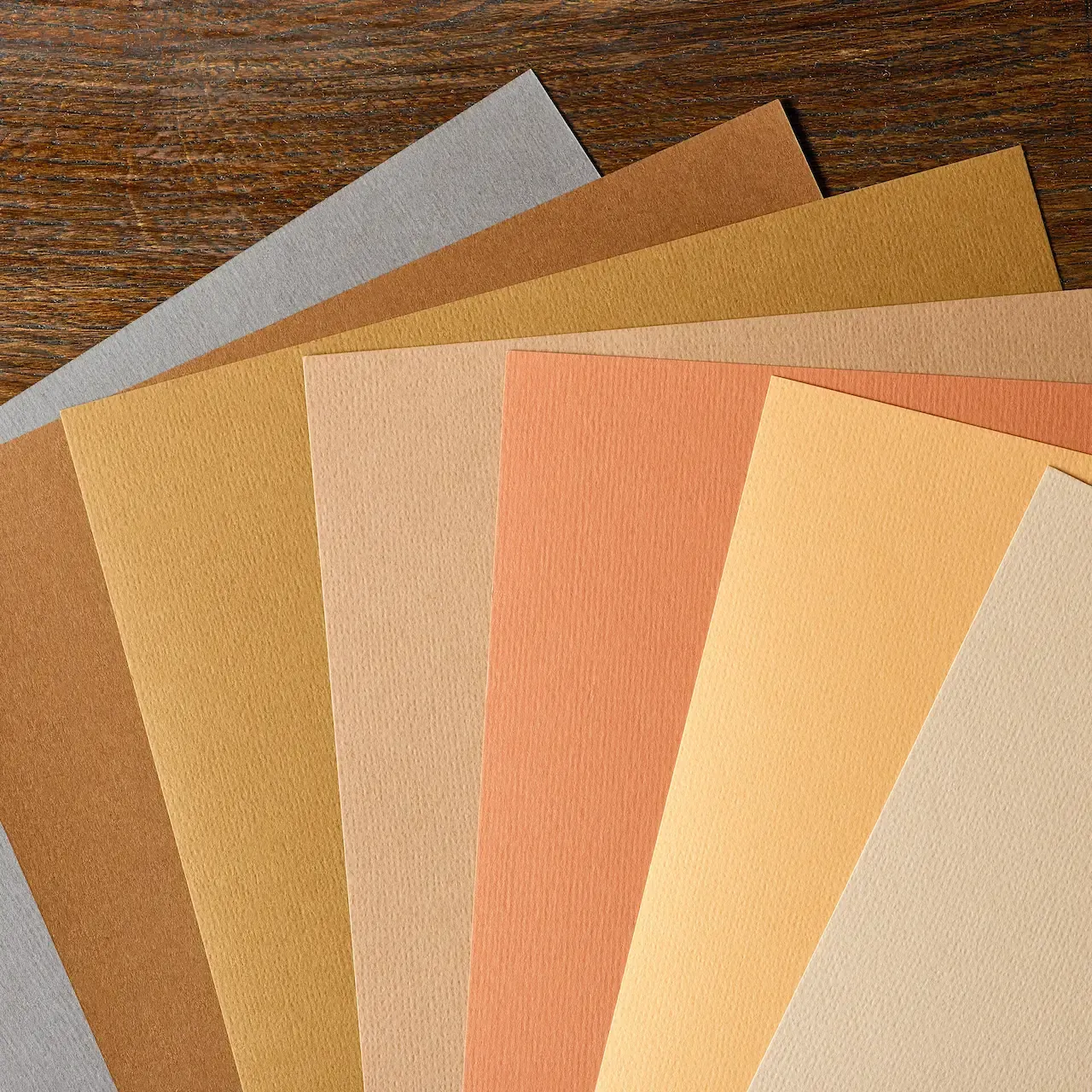
| Textured Finish | Linen, felt, laid, leather | Luxury business cards, invitations | Premium tactile experience |
1. Gloss Finish
- Appearance: Shiny and reflective surface.
- Benefits: Enhances colors, making them appear more vibrant and sharp. Ideal for photographs and high-impact graphics.
- Drawbacks: Prone to fingerprints and glare, which can make reading text challenging.
- History: Developed in the mid-20th century, gloss finishes became popular with the advent of photographic printing, where vibrant, high-contrast images were desired (WCP Solutions).
2. Matte Finish
- Appearance: Non-reflective, smooth surface.
- Benefits: Reduces glare, making it easier to read text. Provides a sophisticated and professional look.
- Drawbacks: Colors may appear slightly duller compared to gloss finishes.
- History: Introduced in the late 19th century, matte finishes were initially used for art prints to provide a non-glare surface that enhanced viewing in various lighting conditions (The Paper Mill Blog).
3. Satin Finish
- Appearance: Semi-gloss, offering a balance between gloss and matte.
- Benefits: Provides some of the color vibrancy of gloss finishes while maintaining readability and reducing glare.
- Drawbacks: May still show fingerprints but less so than gloss finishes.
- History: Satin finishes emerged in the early 20th century as a compromise between gloss and matte, providing a softer shine that became popular for magazine and brochure printing (WCP Solutions).
4. Uncoated Finish
- Appearance: Natural and porous surface.
- Benefits: Ideal for writing and stamping. Offers a classic and organic feel.
- Drawbacks: Less durable and more prone to smudging.
- History: Uncoated paper has been used since the invention of paper, with its origins tracing back to ancient China. It remains a staple for its versatility and natural feel.
5. Textured Finishes (Linen, Felt, Laid, etc.)
- Appearance: Various textures providing a tactile experience.
- Benefits: Adds a unique and premium feel to printed materials. Excellent for luxury stationery andbusiness cards.
- Drawbacks: Can be challenging to print on with some digital presses.
- History: Textured papers like linen and laid finishes date back to the early days of European papermaking in the 12th century, particularly in Fabriano, Italy.
Digital Paper vs. Traditional Paper: What's the Difference?
The advent of digital printing has brought about the need for specially designated digital paper. At LamPro Industries , we work with both digital and traditional papers to deliver the best results for your projects. Here’s why digital paper is different:
- Coating: Digital paper often has a special coating that ensures toner adhesion and durability. Traditional papers might not hold the toner as well.
- Weight and Thickness:Digital papers are designed to run smoothly through digital presses.
- Availability:Some specialty finishes and weights are more readily available in traditional paper.
Why Paper Finish Types Matter for Your Brand
The finish of the paper is as crucial as the design itself. Here's why:
- Enhancing Design Elements:The right finish can enhance the visual appeal of your design.
- Improving Readability:Choosing a finish that reduces glare, such as matte or satin, can make text easier to read.
- Tactile Experience:The feel of the paper can leave a lasting impression. Atextured finishcan add a sense of luxury.
- Durability and Longevity:Gloss finishes and laminationcan protect against moisture and handling.
Challenges in Paper Finish Availability
In recent times, the print industry has faced challenges in sourcing certain paper finishes. For example, matte finishes have become harder to obtain, leading many print shops to substitute with satin finishes, which offer a similar look but with slight differences in texture and reflectivity.
This scarcity highlights the importance of flexibility and creativity in print production. AtLamPro Industries, we help you navigate these challenges to find the perfectpaper finishfor your project without compromising quality.
Conclusion: Choosing the Right Paper Finish
In conclusion, the choice of paper finish is a critical aspect of print production that influences the visual appeal, readability, tactile experience, and durability of the final product. As digital printing continues to evolve, the distinction between digital and traditional paper becomes more pronounced, with each offering unique benefits and challenges.
Remember, the finish of your printed material is only as good as the quality of the paper you choose. Whether you opt for gloss, matte, satin, ortextured finishes, always consider how the paper will interact with your design and the final use of the printed piece.
Ready to choose the perfect paper finish for your next project?Request a consultation,browse our products, orcontact our teamto discuss your printing needs.
Featured Products
Printed Product
Buy Now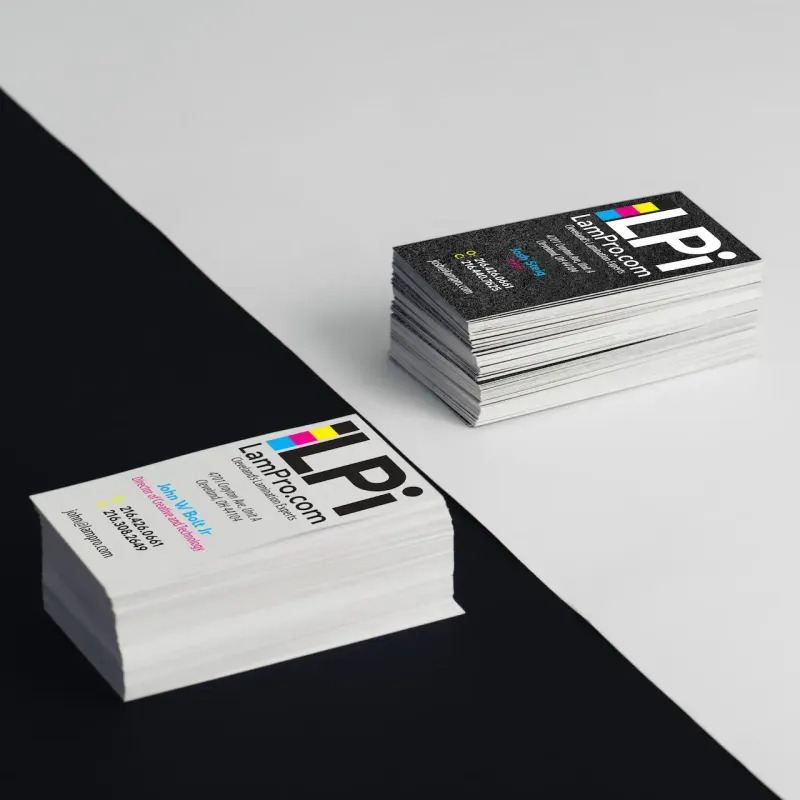
Business Cards
Buy Now
Best Value Business Cards
Buy Now
Silk Business Cards
Buy Now
Gloss Business Cards
Buy Now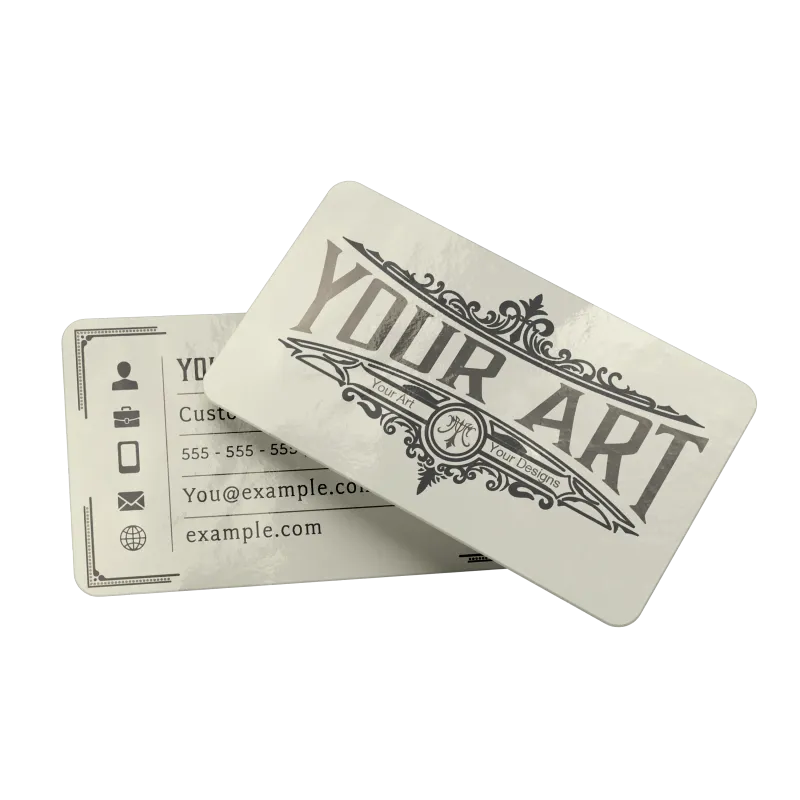
Lamination Business Cards
Buy Now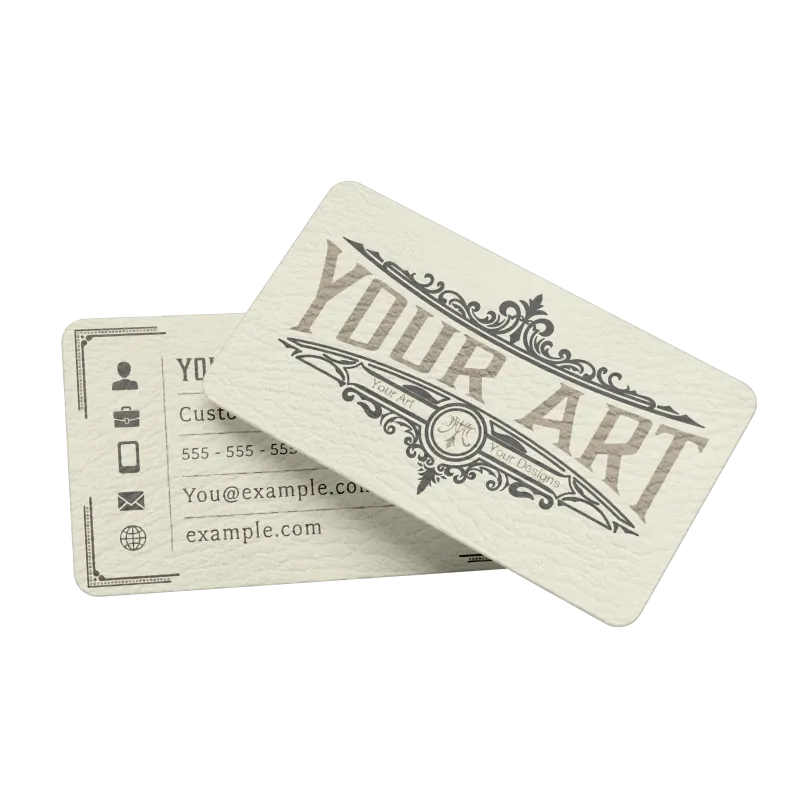
Specialty Business Cards
Buy Now
Postcards
Buy Now
Posters
Buy Now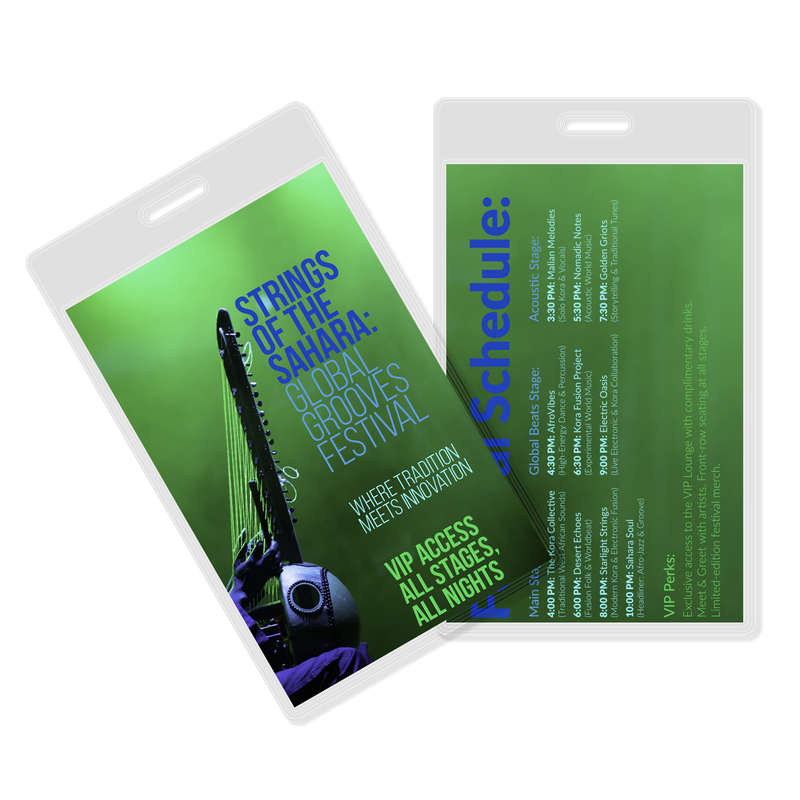
Event Badges / VIP badges / Admission Badges
Buy Now
Wristbands
Buy Now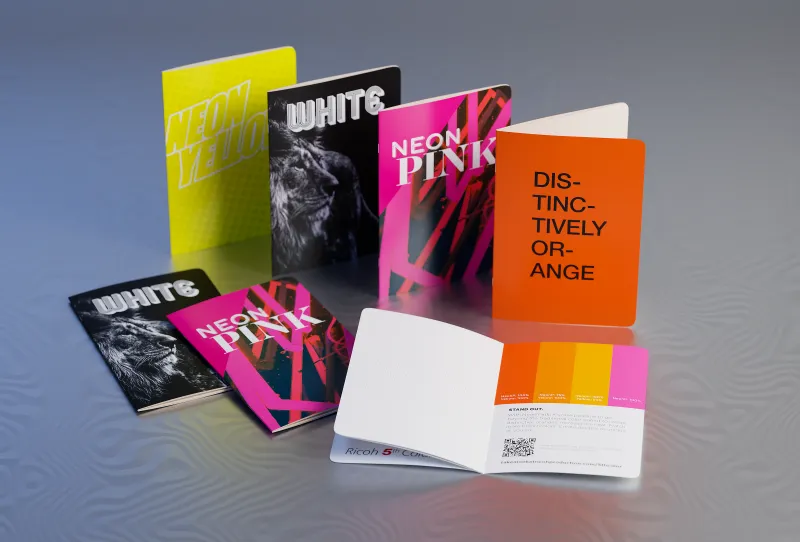
Metallic or Neon Printed Products
Buy Now
Read More...